UCA Calls on All Americans to Avoid Divisive, Racial or Racist Terms for the New Coronavirus, COVID-19, and Defeat the Virus as One Nation
United Chinese Americans (UCA), a national coalition of Chinese Americans in more than 30 states, calls on the American news media, public figures and the American public to refrain from using terms such as “China virus,” “Chinese virus,” “Wuhan virus,” or “Asian virus” to describe the new coronavirus, COVID-19. Such terms often misinform and misguide the public in the fight against this virus, and could lead to bigotry, inflame hatred and even incite violence against Chinese and Asian Americans, as has already been widely reported.
UCA will further monitor developments and call out any public figure or institution who continues to use the term “Chinese virus” or its other variants, until such wanton usage ceases.
As recently as this past week, and one full month since the World Health Organization (WHO) officially designated the virus’ nomenclature as COVID-19, we unfortunately still hear many public figures and well-known organizations using geographical- and race-specific terms to describe it, despite the fact that the virus infects all races of people and has spread to more than 100 countries. That list includes President Donald Trump, Secretary of State Mike Pompeo, U.S. House Minority Leader Kevin McCarthy, Senator Tim Cotton, Senator Rick Scott, and Fox News. “Continuing to use such terms is wrong, and is unacceptable,” said Haipei Shue, president of UCA. “The virus has a name, and that’s the name that ought to be used.”
In a multiethnic democracy like ours, where Chinese Americans have historically been singled out as objects of racism and xenophobia and subjected to damning stereotypes, and at a time when we need our whole society to work together to defeat COVID-19, we must avoid or stop insensitive, divisive, stigmatizing, racial or racist remarks and acts, as we come together to defeat this virus as one nation.
UCA Co-signs on Letter to Congress Denouncing Coronavirus Racism
The National Council of Asian Pacific Americans (NCAPA, a coalition of 34 national Asian Pacific American organizations, http://www.ncapaonline.org/about) has drafted the attached Sign-on Letters to House Leaders (Nancy Pelosi) and Senate Leaders (Mitch McConnell) requesting both houses to Denounce Coronavirus Racism.
UCA is among the organizations to co-sign on this form. Read the text here:
Dear Speaker Pelosi and Minority Leader McCarthy,
On behalf of the National Council of Asian Pacific Americans (NCAPA), and the undersigned organizations, we urge you to call for unity, and publicly denounce the increase in racist attacks and discrimination against the Asian American community, in the wake of rising concerns over the Coronavirus Disease 2019 (COVID-19).
We have witnessed with increasing alarm, incidents all over the country targeting the Asian American community in connection to COVID-19. For example, in San Fernando, CA, a 16-year old Asian American boy was physically attacked at school because he was accused of having the coronavirus. In Plymouth, IN, two Hmong men were denied service at hotels under the false assumption that they were Chinese and carrying the coronavirus. In New York, a woman wearing a facemask, who was believed to be Asian, was physically and verbally assaulted in a subway station.
In communities across the nation, Asian American businesses are seeing a significant decline in customers, as fear of a viral outbreak spreads globally. Even some businesses that have been long-established fixtures within their communities, have suffered a 70% to 80% loss of business. Other businesses, many in major U.S. cities, are considering closing after hearing false rumors of people getting sick. This economic impact is also taking a toll on the families that own these businesses as well. Moreover Asian Americans are facing discrimination in their workplaces. Workers in retail, hospitality, and healthcare sectors are hearing about customers and patients requesting to interact “non-Asian” staff. As Asian-American shift workers become targets of discrimination, they risk losing income from less shifts scheduled.
The stigma associated with COVID-19 originating in China leads some to assume that any person of perceived Asian ancestry might be sick, harming Asian American communities all over the country. Local efforts to curb xenophobia, like city officials reminding the public that it is safe to visit their local Chinatown are helpful, but we believe more needs to be done.
On February 26, 2020, the members of the Congressional Asian Pacific American Caucus (CAPAC) circulated a letter to Members of Congress, urging them to help stop the spread of xenophobia and misinformation by only sharing confirmed and verifiable information pertaining to COVID-19, how it spreads, and how Americans should protect themselves. We call on you to do the same. In the face of this growing threat, the American people need to hear from leaders such as yourselves, that we must face these circumstances together, rather than allow fear and misinformation to divide us.
While we recognize the growing public health and economic threat the virus poses, our nation must come together during this difficult time. We need leadership grounded in truth and committed to taking on racism and xenophobia directly. We urge House and Senate leadership to take tangible steps to counter the hysteria around the novel coronavirus, such as passing a joint resolution denouncing the racism, xenophobia, and misinformation surrounding it. We ask that you act swiftly to ensure that violent racism and economic loss, rooted in fear and misinformation is mitigated.
We thank you for your leadership during this time of uncertainty and stand ready to do our part in fighting back racism.
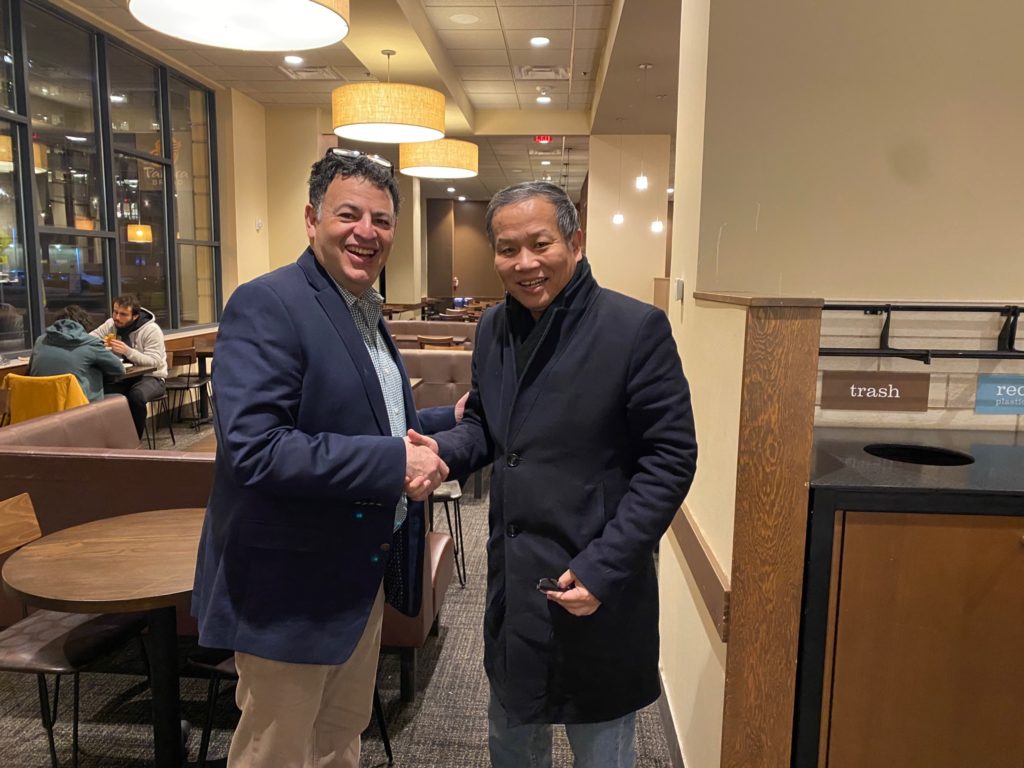
Haipei Shue, President of UCA, meeting with David Bernstein, President of JPCA
The current racist challenge the Chinese American community is facing has become more wide-spreading than the notorious coronavirus, and Jewish American community has been alert to this situation and expressed sympathy. The Jewish Council of Public Affairs (JCPA) released a letter of solidarity, jointly issued by 75 organizations, to the Chinese community against the plague. Today, UCA issued a formal response expressing heartfelt gratitude and looking forward for unity.
JCPA President David Bernstein contacted UCA President Xue Haipei to expressed his concern about the current situation of the Chinese community, and said that he stood firmly with the Chinese community and opposed any form of discrimination and stigma. On Monday evening, the two leaders met to exchange greetings and discuss the prospects for solidarity and cooperation between the Chinese and Jewish communities. Bernstein expressed his appreciation for UCA’s mission, values, and everything that has been done over the years. He believes that our two communities need to further strengthen cooperation and work together to cope with the difficulties.
Mr. Bernstein happily accepted Xue Haipei’s invitation and will join other Jewish organizations to participate in the third U.S. Chinese Congress held by UCA in Las Vegas this year, and discuss with our members the two communities together. Issues of concern.
Following the 2018 Tree of Life Synagogue shooting, under the auspices of UCA, more than a hundred organizations in the Chinese-American community issued a joint open letter to the Jewish community expressing sympathy and support. In the history we have traveled together, Chinese and Jewish people have a deep and close relationship, not only in the United States, but also in other parts of the world. Going forward, our two communities will continue to lead the societies and cultures that live and prosper together, and work together to heal and build the world together.
Wie Umsatzbedingungen bei Casinoc01 wirklich funktionieren und entstanden sind
Wer sich mit Online-Casinos beschäftigt, stößt unweigerlich auf das Konzept der Umsatzbedingungen – auf Englisch als „Wagering Requirements” bezeichnet. Diese Bedingungen legen fest, wie oft ein Bonusbetrag oder gewonnene Gelder aus Freispielen umgesetzt werden müssen, bevor eine Auszahlung möglich ist. Was auf den ersten Blick wie eine technische Formalität wirkt, hat tatsächlich eine komplexe historische Entwicklung hinter sich und folgt einer klaren wirtschaftlichen Logik. Für Spielerinnen und Spieler ist es entscheidend, diese Mechanismen wirklich zu verstehen – nicht nur die Zahlen zu lesen, sondern auch zu begreifen, wie sie entstanden sind, warum sie so gestaltet sind, wie sie heute vorliegen, und welche Auswirkungen sie auf die tatsächliche Gewinnchance haben. Dieser Artikel beleuchtet die Hintergründe dieser Bedingungen umfassend und erklärt, was hinter den oft klein gedruckten Zahlen steckt.
Die historische Entstehung von Umsatzbedingungen im Online-Glücksspiel
Online-Casinos existieren in ihrer modernen Form seit Mitte der 1990er Jahre. Die ersten Plattformen entstanden in Jurisdiktionen wie Antigua und Barbuda, nachdem 1994 der Free Trade and Processing Act verabschiedet worden war – eines der ersten Gesetze weltweit, das die Lizenzierung von Online-Glücksspielanbietern ermöglichte. In diesen frühen Jahren gab es kaum regulatorische Vorgaben, und Bonusangebote wurden häufig ohne jegliche Einschränkungen vergeben. Das führte schnell zu einem Problem: Spieler nutzten großzügige Bonusangebote aus, kassierten die Gewinne und verließen die Plattform sofort. Diese Praxis wurde in der Branche als „Bonus Abuse” oder „Bonus Hunting” bezeichnet.
Um dem entgegenzuwirken, begannen Betreiber ab etwa 1997 bis 2000 damit, erste Umsatzbedingungen einzuführen. Die Anforderungen waren zunächst vergleichsweise moderat – Multiplikatoren von 5x bis 10x galten als Standard. Mit der Zeit jedoch stiegen die Anforderungen erheblich, da die Konkurrenz unter den Anbietern zunahm und gleichzeitig die Bonusbeträge immer großzügiger wurden. Ein Anbieter, der einen 200-Euro-Bonus ohne ausreichende Schutzmaßnahmen anbot, riskierte erhebliche finanzielle Verluste. Das Ergebnis war eine Inflation der Wagering-Faktoren: Bis Mitte der 2000er Jahre waren Multiplikatoren von 30x bis 50x keine Seltenheit mehr.
Parallel dazu entwickelte sich die regulatorische Landschaft. Die Malta Gaming Authority (MGA), gegründet im Jahr 2001, begann als eine der ersten seriösen Lizenzbehörden, Transparenzanforderungen für Bonusbedingungen einzuführen. Die UK Gambling Commission, die nach dem Gambling Act 2005 ihre Arbeit aufnahm, ging noch weiter und verlangte von lizenzierten Betreibern, Bonusbedingungen in klarer und verständlicher Sprache darzustellen. Diese regulatorischen Eingriffe veränderten die Branche grundlegend – nicht weil sie Umsatzbedingungen abschafften, sondern weil sie deren Kommunikation standardisierten und Mindestanforderungen an Transparenz setzten.
Ein weiterer Wendepunkt kam 2019, als die UK Gambling Commission konkrete Leitlinien zu unfairen Bonusbedingungen veröffentlichte. Betreiber, die übermäßig restriktive oder intransparente Bedingungen verwendeten, riskierten den Verlust ihrer Lizenz. Diese Entwicklung hatte Signalwirkung für andere europäische Regulierungsbehörden und führte dazu, dass viele Anbieter ihre Bonusstrukturen grundlegend überarbeiteten. In Deutschland hingegen blieb die Regulierung lange fragmentiert, bis der neue Glücksspielstaatsvertrag 2021 in Kraft trat und erstmals bundeseinheitliche Regeln für Online-Casinos schuf.
Wie Umsatzbedingungen mathematisch funktionieren und berechnet werden
Das Verständnis der Mathematik hinter Umsatzbedingungen ist essenziell, um deren tatsächliche Auswirkungen auf die Gewinnchance zu beurteilen. Ein Umsatzfaktor von 30x bedeutet, dass ein Bonusbetrag von 100 Euro insgesamt 3.000 Euro an Wetteinsätzen generieren muss, bevor eine Auszahlung möglich ist. Klingt zunächst machbar – aber der Teufel steckt im Detail der Spielbeiträge und des Hausvorteils.
Nicht alle Spiele tragen gleichermaßen zur Erfüllung der Umsatzbedingungen bei. Klassische Spielautomaten werden in der Regel zu 100 Prozent angerechnet, während Tischspiele wie Roulette oder Blackjack oft nur mit 10 bis 25 Prozent gewertet werden. Manche Spiele sind vollständig vom Umsatz ausgeschlossen. Diese Differenzierung ist kein Zufall: Spielautomaten haben typischerweise einen Hausvorteil von 3 bis 8 Prozent, während Blackjack bei optimaler Strategie auf einen Hausvorteil von unter 0,5 Prozent kommen kann. Ein Anbieter, der Blackjack vollständig auf den Bonusumsatz anrechnen würde, würde de facto einen erheblichen Teil seiner Marge opfern.
Wer die konkreten Regelungen eines bestimmten Anbieters nachvollziehen möchte, kann beispielsweise die Bonusbedingungen bei Casinoc01 direkt einsehen – dort lassen sich die jeweiligen Spielbeiträge und Umsatzanforderungen unter Details ansehen, wo die aktuellen Angebote und deren genaue Konditionen aufgelistet sind.
Die mathematische Erwartung eines Bonusangebots lässt sich näherungsweise berechnen. Angenommen, ein Spieler erhält einen Bonus von 100 Euro mit einem Umsatzfaktor von 35x und spielt ausschließlich Automatenspiele mit einem Hausvorteil von 5 Prozent. Der erwartete Verlust über den Umsatzzeitraum beträgt: 3.500 Euro × 5 Prozent = 175 Euro. Der Spieler müsste also statistisch gesehen 175 Euro verlieren, um einen Bonus von 100 Euro freizuspielen – was bedeutet, dass der Bonus unter diesen Bedingungen einen negativen Erwartungswert hat. Dieses Beispiel verdeutlicht, warum ein hoher Bonusbetrag allein noch kein gutes Angebot darstellt.
Hinzu kommen Zeitlimits, die die Herausforderung weiter verschärfen. Viele Anbieter setzen Fristen von 7 bis 30 Tagen, innerhalb derer die Umsatzbedingungen erfüllt werden müssen. Wer in diesem Zeitraum nicht genug spielt oder die falschen Spiele wählt, verliert den Bonus ersatzlos. Diese Kombination aus hohem Umsatzfaktor, eingeschränkten Spielbeiträgen und zeitlicher Begrenzung macht es statistisch für die große Mehrheit der Spieler unmöglich, den Bonus tatsächlich in auszahlbares Guthaben umzuwandeln – was aus Betreiberperspektive natürlich dem Geschäftsmodell dient.
Regulatorische Entwicklungen und ihre Auswirkungen auf moderne Bonusstrukturen
Die regulatorische Landschaft für Online-Glücksspiel in Europa hat sich in den vergangenen zehn Jahren tiefgreifend verändert, und diese Veränderungen haben direkte Auswirkungen darauf, wie Umsatzbedingungen heute gestaltet werden. Schweden führte 2019 mit dem neuen Spellag ein stark reguliertes Lizenzsystem ein, das unter anderem Bonusangebote erheblich einschränkte. Seitdem dürfen in Schweden lizenzierte Anbieter nur noch ein Bonusangebot pro Spieler und Anbieter vergeben – den sogenannten Willkommensbonus. Zudem wurden Obergrenzen für Bonusbeträge eingeführt.
In Deutschland brachte der Glücksspielstaatsvertrag 2021 ebenfalls weitreichende Änderungen. Online-Casinos müssen seitdem strenge Anforderungen erfüllen: Einzahlungslimits von 1.000 Euro pro Monat, verpflichtende Spielersperrsysteme und ein Verbot von Live-Dealer-Spielen in der Anfangsphase der Regulierung. Diese Rahmenbedingungen beeinflussen indirekt auch die Bonuspolitik der Anbieter, da die Spielaktivität insgesamt begrenzt ist und hochvolumige Bonusstrategien unter diesen Bedingungen schwer umsetzbar sind.
Die Malta Gaming Authority hat 2021 ebenfalls neue Richtlinien für Bonusbedingungen eingeführt, die Betreiber dazu verpflichten, Umsatzbedingungen in einem standardisierten Format darzustellen und sicherzustellen, dass Spieler die Bedingungen aktiv bestätigen, bevor sie einen Bonus aktivieren. Diese Maßnahme zielt darauf ab, sogenannte „Opt-in-Fallen” zu verhindern, bei denen Spieler unwissentlich einen Bonus aktivieren und sich damit automatisch an die damit verbundenen Bedingungen binden.
Eine interessante Gegenentwicklung ist das Aufkommen von bonusfreien Casinos oder Casinos, die explizit auf Willkommensboni verzichten. Diese Plattformen positionieren sich als transparentere Alternative und werben damit, dass Spieler ihre Einzahlungen ohne Einschränkungen verwalten können. Dieser Trend ist besonders in nordischen Ländern stark ausgeprägt, wo das regulatorische Umfeld Boni ohnehin stark einschränkt. Ob dieses Modell langfristig wirtschaftlich tragfähig ist, bleibt abzuwarten – die Kundenakquise ohne Bonusanreize ist deutlich kostspieliger, da Bonusangebote traditionell das wichtigste Marketinginstrument der Branche darstellen.
Auch die Einführung von Responsible-Gambling-Werkzeugen hat die Bonuspolitik beeinflusst. Viele Regulierungsbehörden verlangen mittlerweile, dass Anbieter Spielern die Möglichkeit geben, Bonusangebote dauerhaft abzulehnen. Casinoc01 und vergleichbare Plattformen, die unter seriösen Lizenzen operieren, müssen diese Werkzeuge implementieren und Spielern klare Informationen darüber bereitstellen, wie sie ihre Bonusteilnahme verwalten können. Diese Entwicklung zeigt, dass Regulierungsbehörden zunehmend die psychologische Dimension von Bonusangeboten anerkennen – nämlich deren Potenzial, problematisches Spielverhalten zu fördern.
Strategischer Umgang mit Umsatzbedingungen aus Spielerperspektive
Für Spielerinnen und Spieler, die Bonusangebote nutzen möchten, ohne in die häufigsten Fallen zu tappen, ist ein strukturierter Ansatz entscheidend. Der erste Schritt ist immer die vollständige Lektüre der Bonusbedingungen – nicht nur des Umsatzfaktors, sondern auch der Spielbeiträge, Zeitlimits, maximalen Wettbeträge pro Runde und etwaiger Gewinnlimits. Letztere sind besonders heimtückisch: Manche Anbieter begrenzen die maximale Auszahlung aus einem Bonus auf einen festen Betrag, beispielsweise das Fünffache des Bonusbetrags. Ein Jackpot-Gewinn während der Bonusphase könnte in einem solchen Fall auf diesen Betrag reduziert werden.
Der maximale Wetteinsatz pro Runde während der Bonusphase ist ein weiterer kritischer Parameter. Viele Anbieter setzen diese Grenze bei 5 Euro pro Spin oder Runde. Wer diese Grenze überschreitet, riskiert die Annullierung des Bonus und aller damit verbundenen Gewinne. Diese Regelung ist besonders für erfahrene Spieler relevant, die gewohnt sind, mit höheren Einsätzen zu spielen.
Eine praktische Methode zur Bewertung eines Bonusangebots ist die Berechnung des sogenannten Bonus-EV (Expected Value). Dabei wird der Bonusbetrag mit dem Hausvorteil des bevorzugten Spiels und dem Umsatzfaktor in Relation gesetzt. Ein Bonus mit positivem Erwartungswert ist statistisch vorteilhaft für den Spieler – solche Angebote sind jedoch selten und werden von Anbietern schnell identifiziert und angepasst. Realistischer ist die Bewertung, ob ein Bonus einen akzeptablen negativen Erwartungswert hat, der durch den Unterhaltungswert des Spielens gerechtfertigt wird.
Erfahrene Spieler achten auch auf die sogenannte „Stickiness” eines Bonus – also ob der Bonus selbst ausgezahlt werden kann oder nur die damit erzielten Gewinne. Bei einem „Sticky Bonus” oder „Non-Cashable Bonus” wird der Bonusbetrag nach Erfüllung der Umsatzbedingungen automatisch abgezogen, und nur der Nettogewinn ist auszahlbar. Diese Bonusform ist für Spieler deutlich weniger attraktiv, wird aber von manchen Anbietern als scheinbar großzügiges Angebot vermarktet.
Die Wahl der richtigen Spiele während der Bonusphase ist ebenfalls strategisch relevant. Spiele mit hoher Volatilität – also Automatenspiele, die selten, aber dafür hoch auszahlen – können theoretisch dabei helfen, die Umsatzbedingungen schneller zu erfüllen, wenn ein großer Gewinn erzielt wird. Allerdings ist das Risiko des vollständigen Verlusts des Bonusguthabens bei hochvolatilen Spielen ebenfalls höher. Niedrigvolatile Spiele mit einem geringen Hausvorteil bieten eine konstantere, aber langsamere Methode zur Erfüllung der Bedingungen. Welcher Ansatz besser geeignet ist, hängt von der individuellen Risikobereitschaft und dem verfügbaren Zeitbudget ab.
Abschließend lässt sich festhalten, dass Umsatzbedingungen kein willkürliches Konstrukt sind, sondern das Ergebnis jahrzehntelanger wirtschaftlicher und regulatorischer Entwicklungen in der Online-Glücksspielbranche. Sie schützen Anbieter vor missbräuchlicher Nutzung von Bonusangeboten, schränken aber gleichzeitig die tatsächliche Vorteilhaftigkeit dieser Angebote für Spieler erheblich ein. Ein fundiertes Verständnis der mathematischen Grundlagen, der regulatorischen Rahmenbedingungen und der konkreten Vertragsbedingungen ist unerlässlich, um informierte Entscheidungen zu treffen. Wer Bonusangebote bei Plattformen wie Casinoc01 oder anderen Anbietern nutzen möchte, sollte sich die Zeit nehmen, die Bedingungen vollständig zu lesen und den tatsächlichen Erwartungswert des Angebots zu berechnen – denn nur so lässt sich beurteilen, ob ein Bonus tatsächlich einen Mehrwert bietet oder lediglich als Marketinginstrument dient, das auf den ersten Blick attraktiver erscheint, als es mathematisch ist.
Dear Chairman Fromm of JCPA, President and CEO Bernstein of JCPA, The 75 Jewish Organizations, And the Larger Jewish Community:
Shalom Aleichem.
We have received your letter last week from 75 Jewish organizations. Thank you, our Jewish brothers and sisters, for your solidarity with our community at this difficult time. Your words and action have warmed our heart and lifted our spirit!
Needless to say, the Chinese American community has lately been going through a lot: from a worrisome US-China confrontation, to a worsening atmosphere for our civil rights and civil liberty, and now to this coronavirus crisis. You have given us a warm and extended hand when we need it most, right now. Thank you!
A Chinese proverb says that crisis or suffering tells who is your real friend. Historically, our two communities have been so close and intimately bonded that we feel like being close cousins, which we sometimes take for granted. With so much of the world in trouble and uncertain change, including our own society, this friendship and solitarily is even more needed and reassuring.
I’m reminded of a time when the tables were turned, and it was the Chinese community in New York that came to the aid of its Jewish brethren. The year was 1903, and many Jews had been killed and injured in the infamous Kishinev pogrom in Russia. There’s a short article about it in the Forward here.
When the tragic Pittsburg synagogue shooting happened in 2018, United Chinese Americans (UCA), a leading national coalition with chapters and partners in over 30 states, has sprung into action and led a nationwide letter drive, co-signed by over one hundred Chinese American organizations, showing our solidarity with the Jewish community.
This is a trying time for us all. What happens with the coronavirus crisis has, once again, demonstrated that we are all so vulnerable, so connected and so interdependent. It demonstrated, once again, that in order for us all to survive, let alone thrive, we must come together and fight for our common destiny and common humanity!
Let our two communities work together as an example of how different communities can live and thrive together.
Let us heal and repair the world together! B’ezrat HaShem
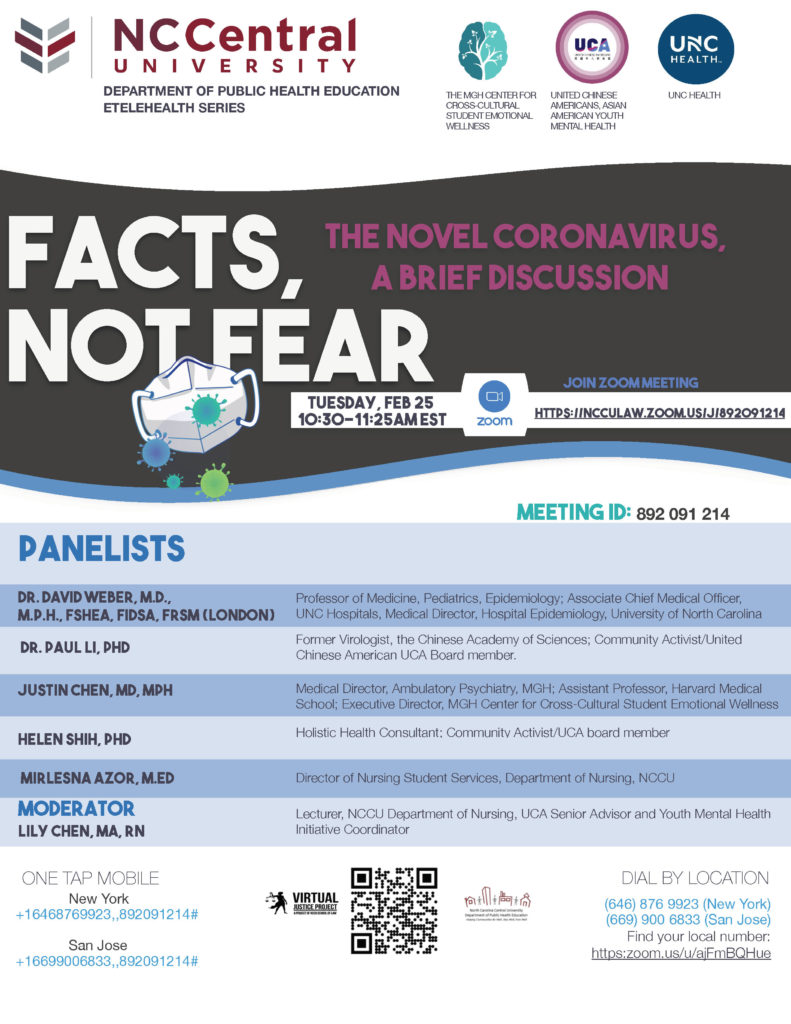
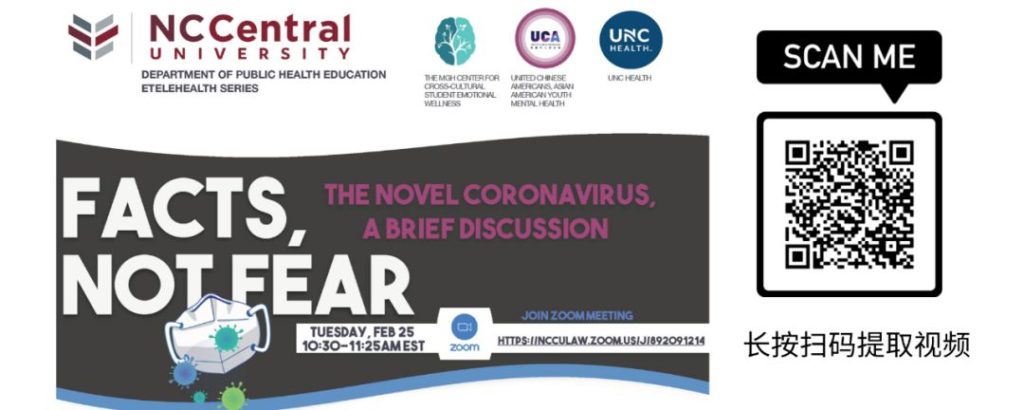
In order to help people in our community grasp medical truth, facilitate communication between the Chinese and the mainstream community, and work together to prevent the epidemic and reduce panic, UCA organized an online webinar on February 25, 2020 titled “Fact Not Fear ” and released all materials to public.
* Part of North Carolina Central University, NCCU Telehealth Series
This is the resource from LANCET (on medical literature and information), all the official documents and medical guidelines from Chinese governments are here:
David Weber, M.D., M.P.H., FSHEA, FIDSA, FRSM (London) — Professor of Medicine, Pediatrics, Epidemiology; Associate Chief Medical Officer, UNC Hospitals; Medical Director, Hospital Epidemiology, University of North Carolina at Chapel Hill
Paul Li, Ph.D. — Former Viorologist, the Chinese Academy of Sciences; Community Activist/ United Chinese American UCA Board member.
Justin Chen, MD, MPH — Medical Director, Ambulatory Psychiatry, MGH; Assistant Professor, Harvard Medical School; Executive Director, MGH Center for Cross-Cultural Student Emotional Wellness
Helen Shih, Ph.D — Holistic Health Consultant; Community Activist/UCA board member
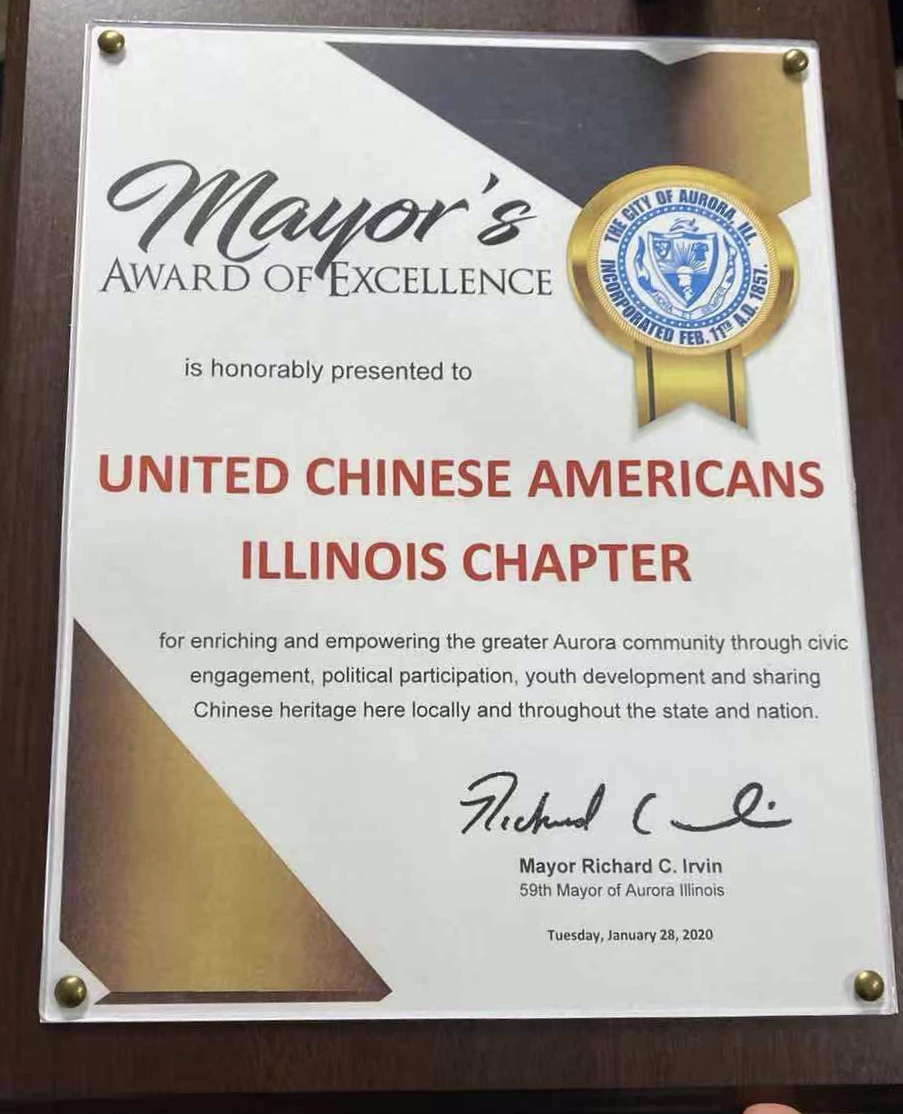
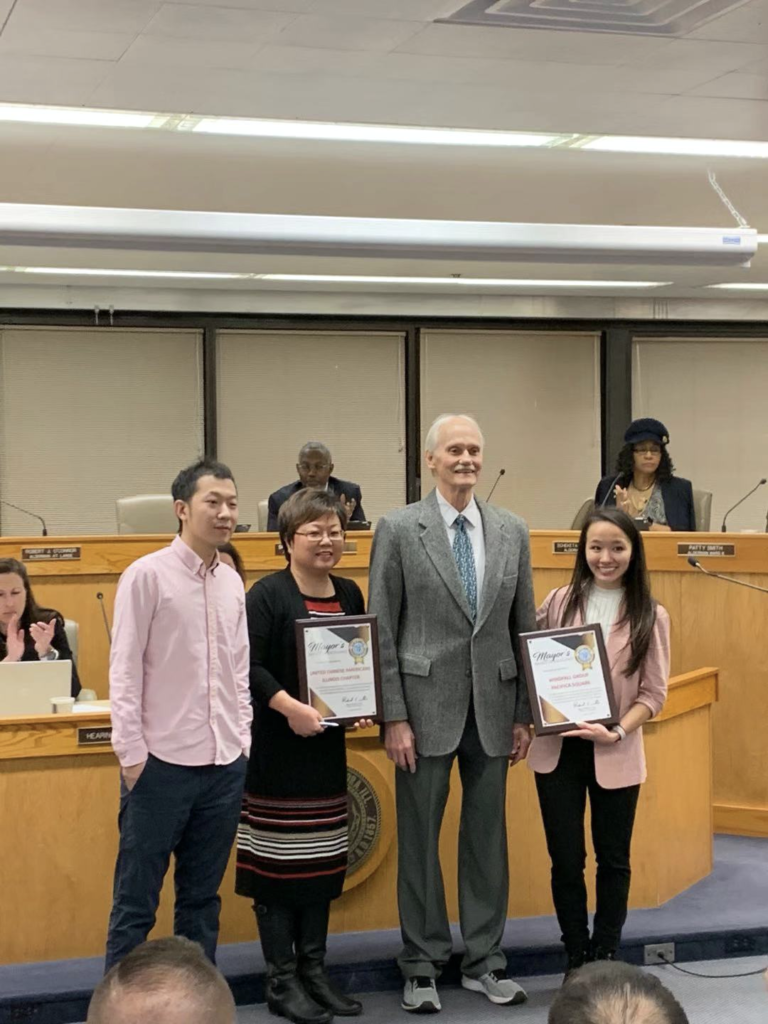
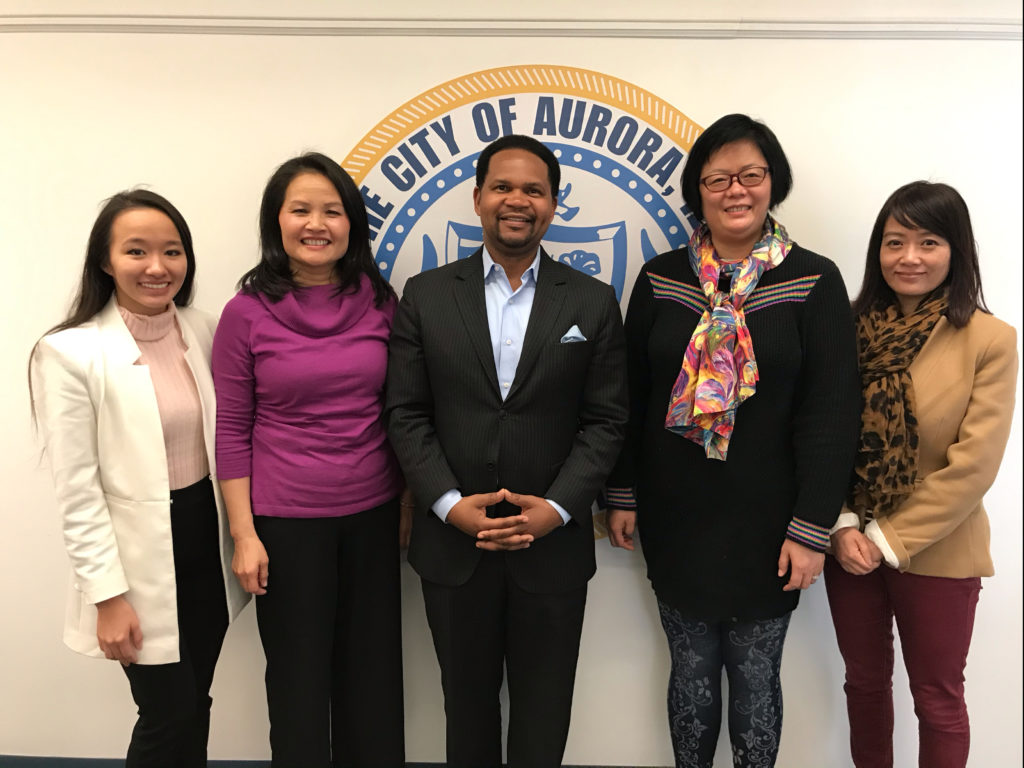
Yan Bellantoni, UCA founding member and a dedicated volunteer had the honor representing UCA IL to receive The Mayor’s Excellence award at the City of Aurora Council Meeting on Jan 28. Yan introduced UCA IL three year history, it’s robust programs focus on civic engagement, youth development, and Chinese Heritage sharing (il.ucausa.org).
She expressed UCA’s great appreciation for the City of Aurora’s strong support to help built a welcoming and inclusive communities for all ethnic group of people. Ms. Judy Ni from windfall Group/Pacifica Square, a founding member of UCA, also received an award. The council meeting is held during Chinese New Year celebration. The meeting started by honoring UCA and Windfall Group as the first agenda for the evening. That speaks volume. Working together, Chinese community can make a huge difference in this country, as small as our neighborhood, as big as our presidential candidate.
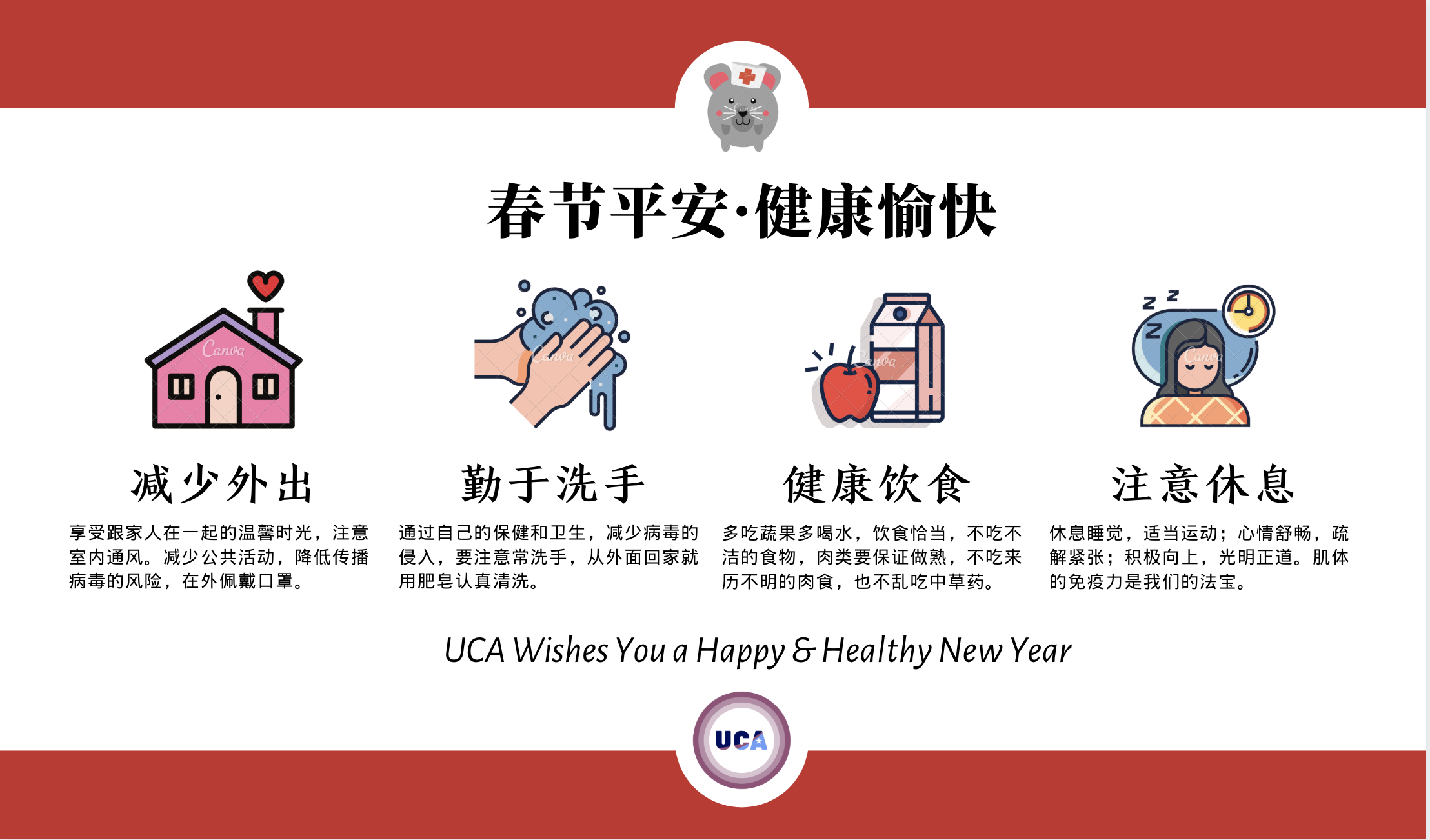
At this special time of the year, UCA executive team and board members, wish you a very Happy Chinese New Year, and a very successful year of the rat ahead.
At UCA, we understand this is also a challenging moment for many families in China and Chinese communities across the world, because of the health concerns brought by the new strain of coronavirus. Many of us have been impacted by this outbreak, if not physically, emotionally and mentally. Our spirit is with millions of families here in the U.S., our loved ones in China, and our communities worldwide. We also want to pay a special tribute to those who are working extremely hard during this holiday time. Instead of taking time off, they are carrying out important tasks to support cities and provinces, caring for the sick and needed ones. Their selfless service and sacrifice will save many lives and will be remembered in our memory and history.
UCA team is currently looking at the best way to help families and medical professionals in the affected areas in China, and how to organize community efforts in the U.S. If you have any suggestions or have any medical expertise, please contact us ASAP. Most importantly, please take proper precautions to stay healthy and support others who may be in need. We wish everyone a safe and restful time at home or wherever you may be during this holiday time.
In 2020, UCA will also be carrying out planned projects, including summer convention in Las Vegas, legislative initiatives, civic engagement, youth leadership, 2020 census, and other tasks. We want to receive continuous support in these areas and look forward to working with many of you, in building a stronger community. Time has proven again and again, only by working together and connecting with each other, we can go through challenges and continue to make progress for Chinese Americans. Please join or donate to UCA and take advantage of our membership benefit and volunteer opportunities to serve our community.
Again, happy new year, and best wishes from all of us!
United Chinese Americans in Washington (UCAWA) is a newly formed chapter of UCA. Since founding the organization we have stared several programs including Youth Leadership & Government Internship Program. We have also initiated a conversation with Bellevue School Foundation and Bellevue School District to explore the possibility to work together in addressing the mental health issues that young students including Asian students are facing in today’s world.
Bellevue School District is ranked the best school district in Washington State with student population over 20,000. Among 20,000, there 45%+ Asian students, and 20%+ Chinese students. In the recent years the school has seen a big increase of reported mental health incidents and cases among its middle and high school students. According the data collected by the District there are average 40+ per week reported mental health related incidents and cases in its students population. Many of us found the number astonishing since Bellevue School District is situated in a predominantly higher middle-class city. But we believe this is the new reality that the schools and the school district are facing in our state, and other states in the US as well.
After many email exchanges, discussions and meetings, now the leaders of BSF and BSD have made administrative decision to collaborate with UCA/UCAWA to do a series of youth mental health lectures and events. Detailed plan and timelines are still being worked on. We are so glad that we will have an opportunity to help and support the effort of Bellevue School District in addressing the youth mental health issue and make our contribution. For the past two month we have received abundant help from UCA and UCA Illinois Chapter that has provided valuable information, resource materials and expertise. We look forward to joining force with UCA, Illinois Chapter and other experts in the fields to make the program happen, and make this pilot project a success.
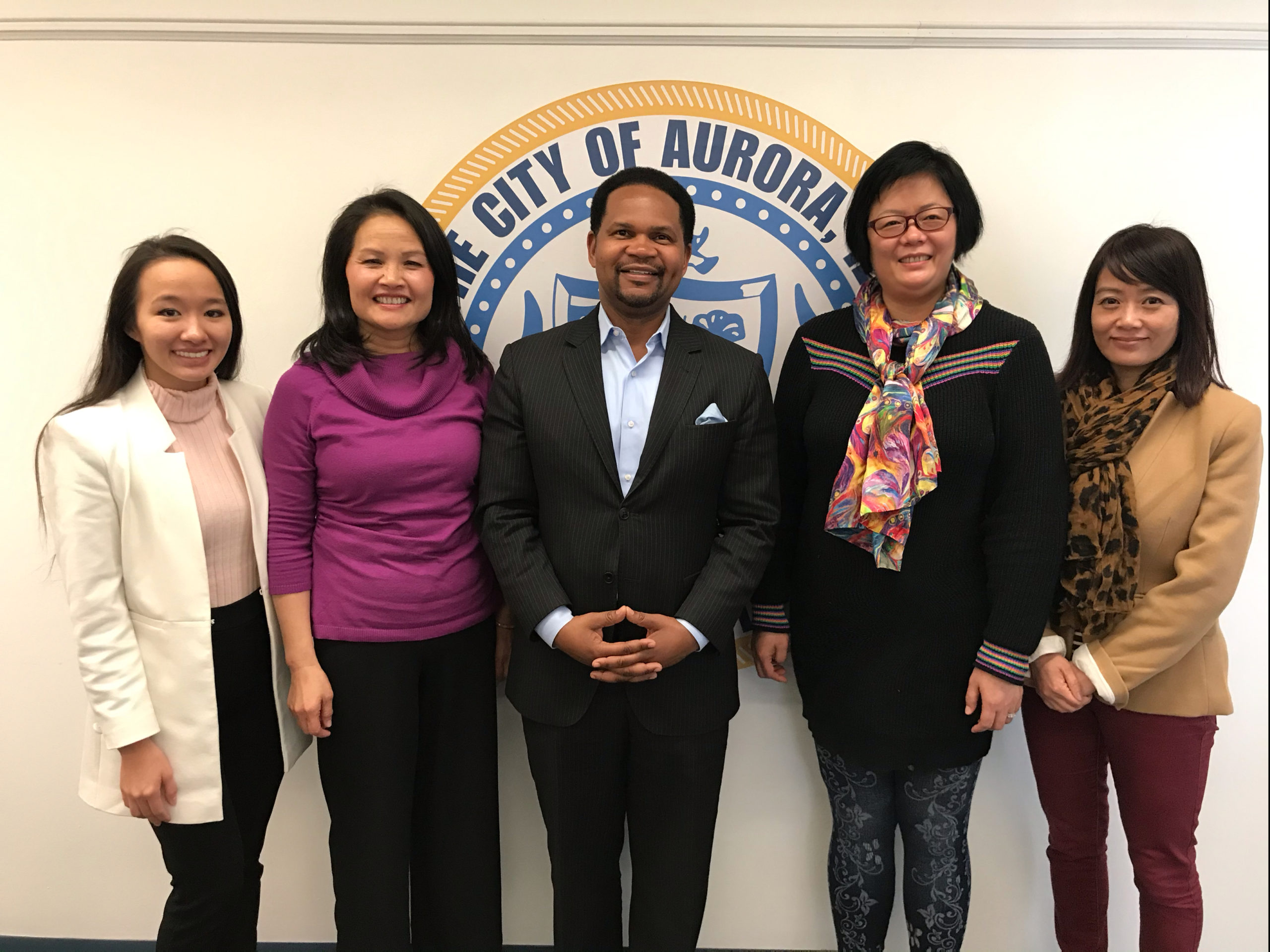
On Jan 7, UCA IL president Lily Chen and Vice President Ren Li, along with Judy Ni and Crystal Zheng of Pacific Square, met with City of Aurora Mayor Richard Irvin and staff on holding Jiaozi fest 2020 (click to register)
The City of Aurora is our honored co-organizer along with Pacific Square. UCA IL was invited to do a presentation on Jan 28 at City of Aurora Council meeting about our organization and programs. They collaborated with the city for 2019 summer internship, a music program, and are looking forward to many more in the future.
UCA IL was invited by Naperville NCTV 17 station to have an interview sharing about our organizations (it will be previewed Feb 1). Thanks for Naperville NCTV 17 for the opportunity and great partnership to built strong communities.
It was great meeting our state representative Theresa Mah, DCFS’s Chief for Asian American Affairs Marjorie Moore, and CBCAC’s founder CW Chan in Chinatown. They discussed about census 2020, civic engagement, and how to help and support each other to better advance community agenda by working TOGETHER.
Marjorie Moore shared with us about DCFS’s foster parent program and hope to have our community families consider being foster parents as there are Chinese speaking children in need of foster homes . Please contact Marjorie at Marjorie.Moore@illinois.gov if you have any questions.
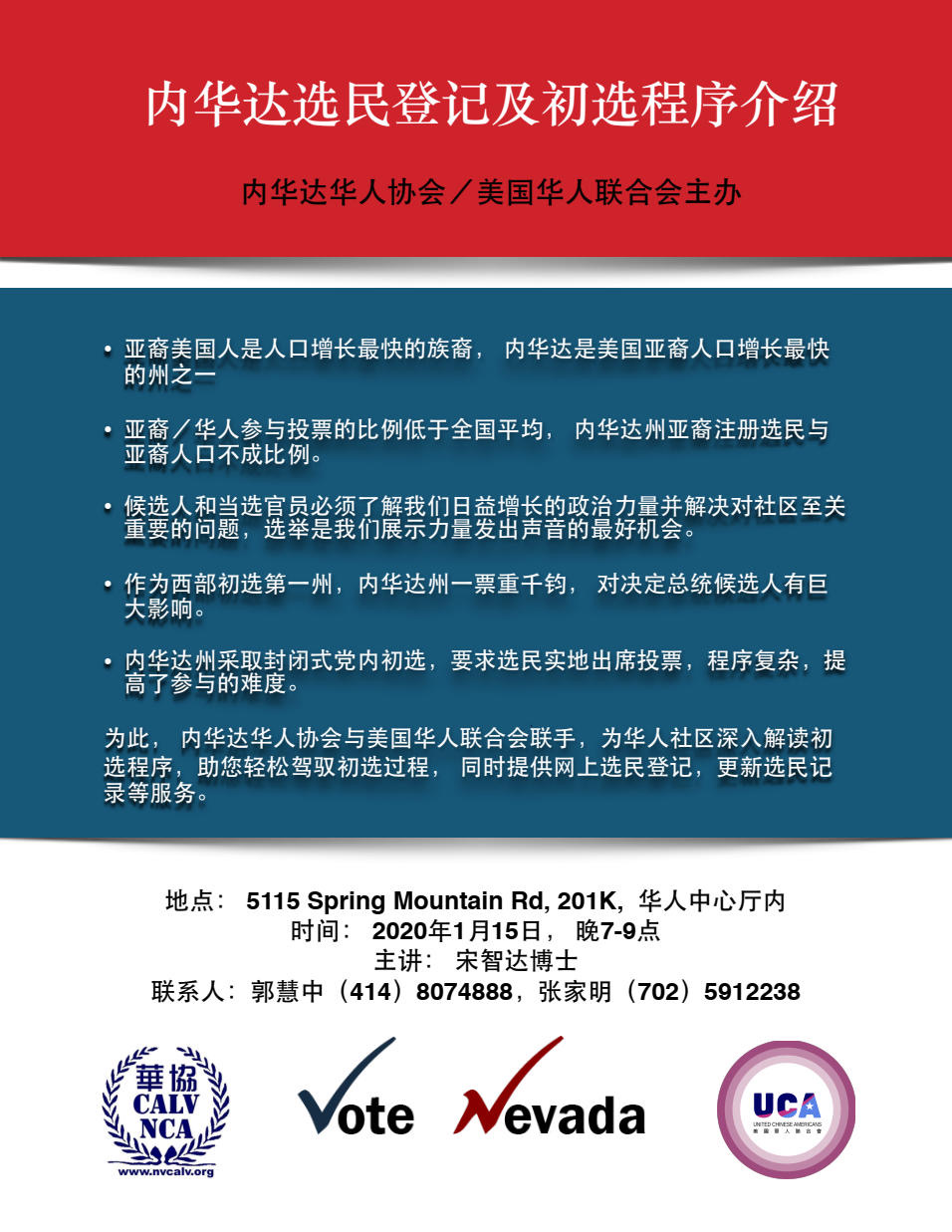
Asian Americans are the fastest growing
ethnic group. Between 2000 and 2010,Asian-Americans population grew by 46
percent, far more than the national population growth rate of 10 percent. Since
2008, there have been more immigrants from Asia than anywhere else in the
world.
Nevada is one of the fastest growing states
with Asian-American populations. Since
2000, Nevada’s AAPI population has grown by 140 percent, and eligible
Asian-American voters in Nevada have accounted for more than 5 percent of all
voters. Candidates and elected officials must understand our growing political
power and address issues that are vital to our communities.
Elections are our best chance to show our
strength. The proportion of Asians/Chinese participating in elections is lower
than the national average, and as a result, our voices and needs have been
ignored for a long time. There have been many times in history that an election
outcome was determined by a single ballot, each vote counts!
As the first state in the West to hold a
presidential primary, Nevadans play a crucial role. Nevada caucuses will have huge impacts on the
final decision of who would be the presidential candidate. However the closed-party caucus is a complex
process that has made first-time participation more difficult.
Nevada Chinese Association and the United
Chinese Americans will hold a seminar to provide in-depth explanation to the
caucus process for the Las Vegas Chinese community. It will help Chinese voters navigate the
caucus process with confidence. In
addition the organizations will provide online voter registration, voter
information update and other services on site.
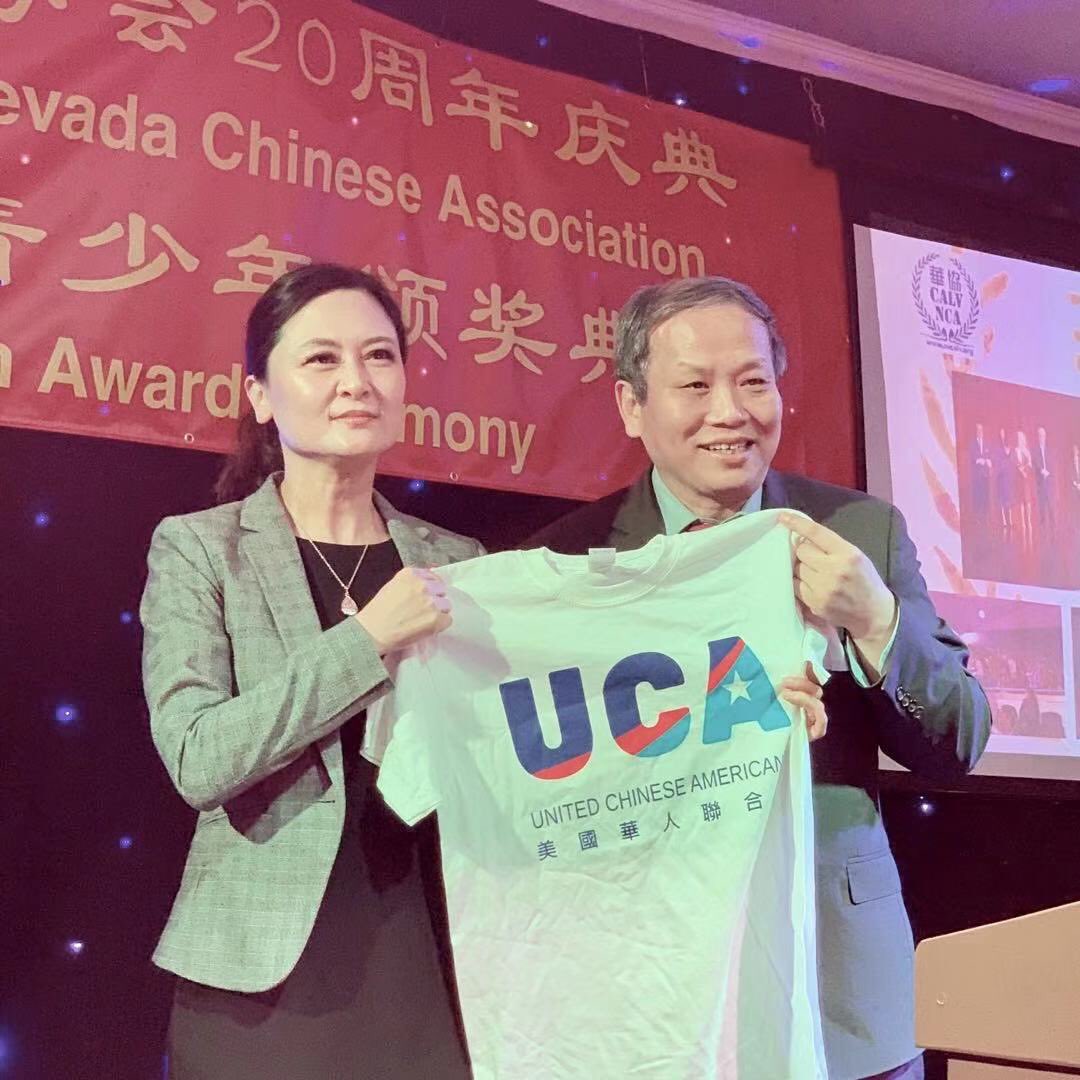
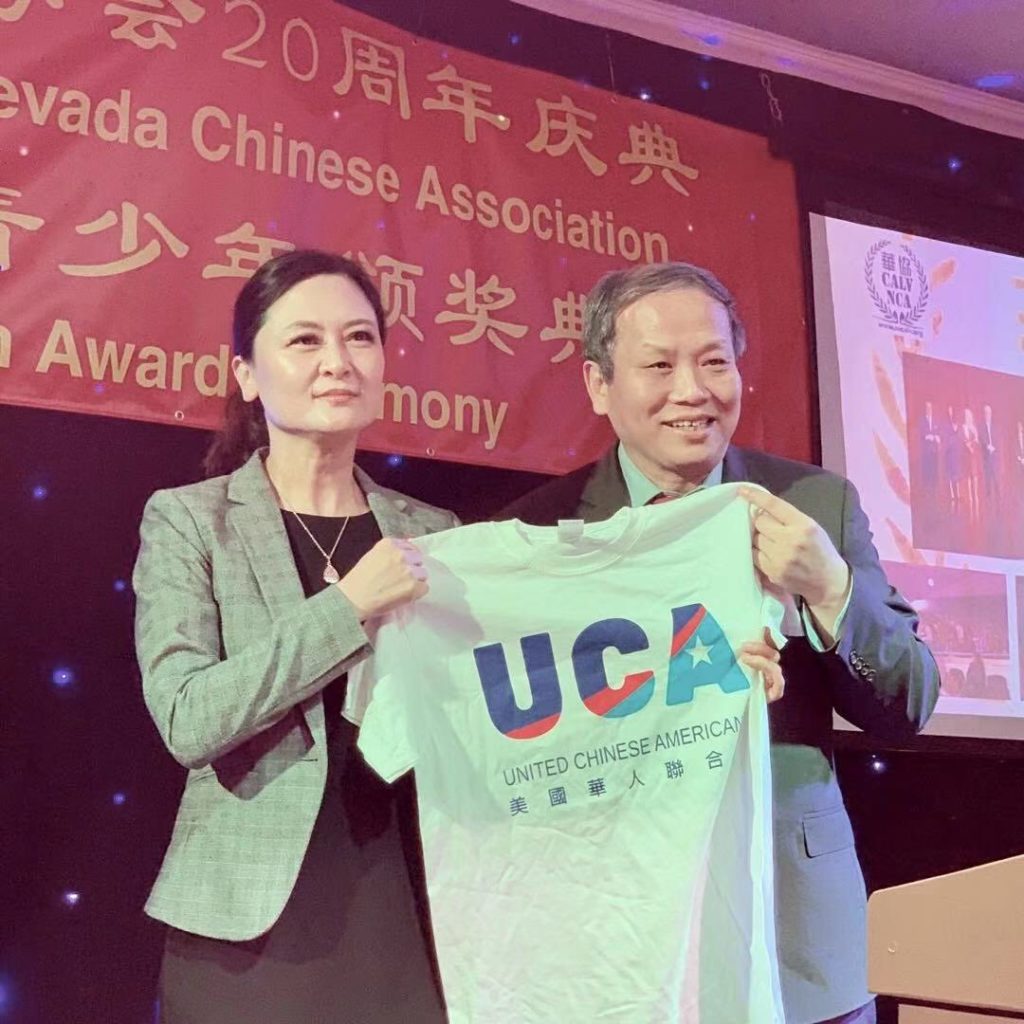
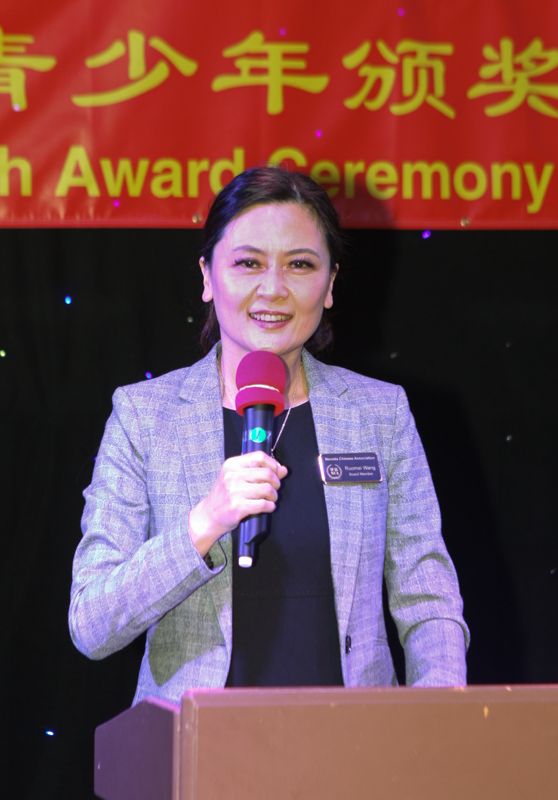
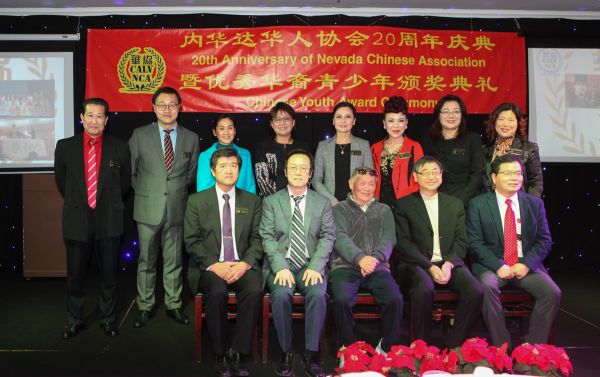
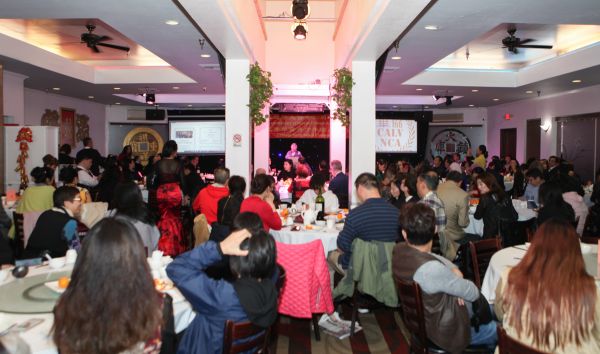
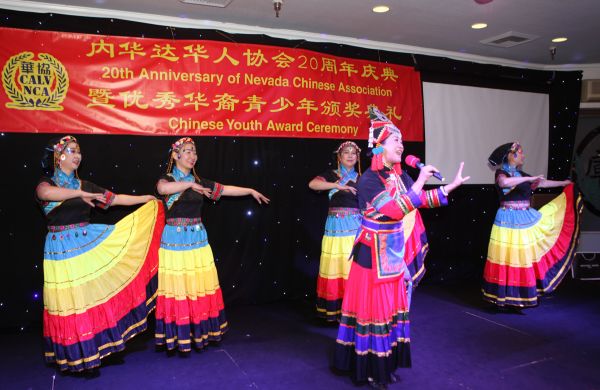
Welcome to our new addition! Nevada Chinese Association (NCA) has joined UCA at its 20 year anniversary, after serving the local community tirelessly for two decades and working with UCA for 3 years.
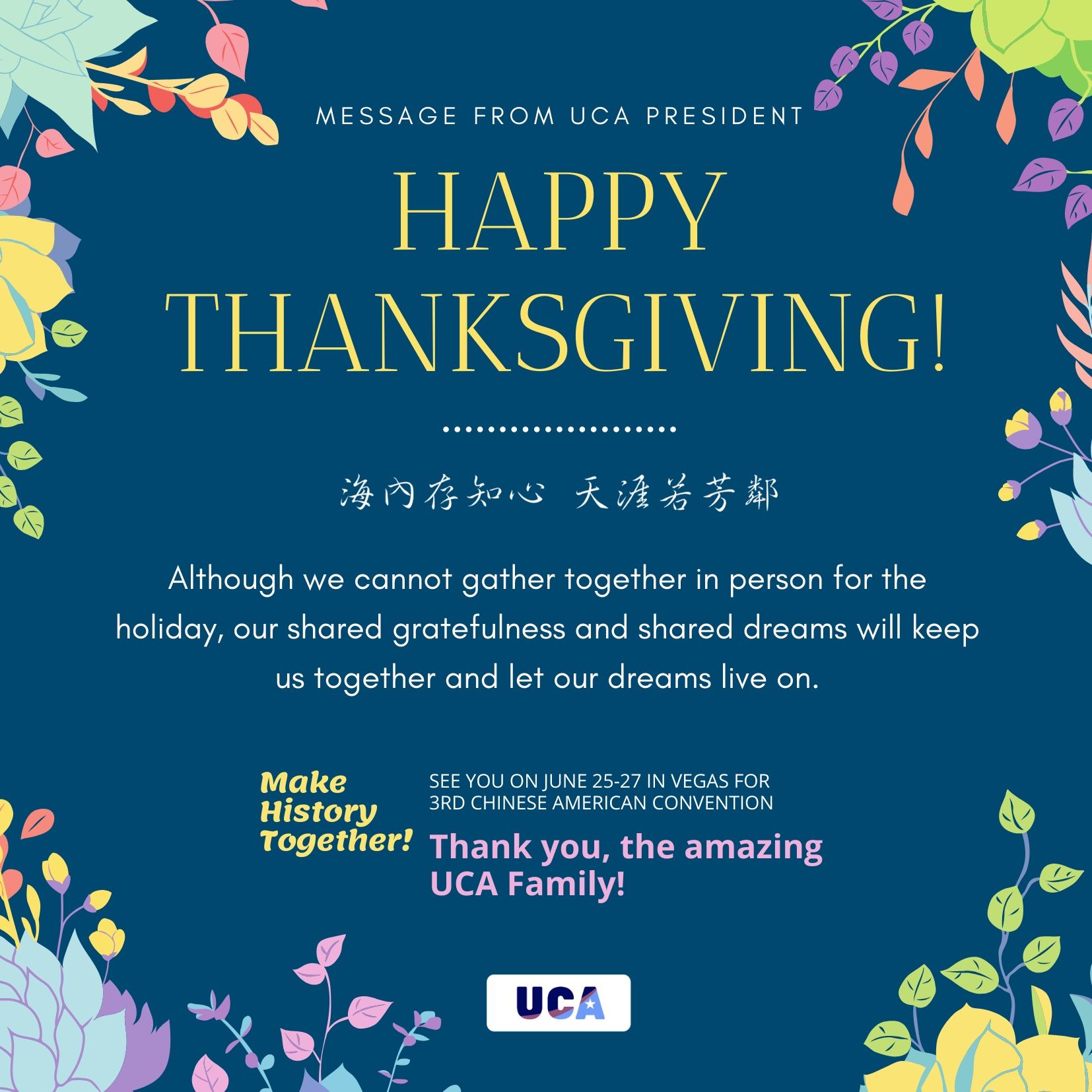
Thanksgiving has a special place in the hearts of UCA family members, because we have so much to be thankful and grateful about each other.
Your abundant support, care and belief in UCA and its values and ideals have sustained UCA, a growing community civic movement spearheaded by the very best and most beautiful Chinese Americans who care about our community, care for UCA family, and believe in changing ourselves and the world for the better!
Although we cannot gather together in person for the holiday, our shared gratefulness and shared dreams will keep us together and let our dreams live on.
We look forward to the exciting family reunion next year from June 25 to 27 in Vegas for third Chinese American Convention and AAPI Presidential Town Hall.
We have done a lot and achieved for our community. We are making history together! Thank you, the amazing UCA family!
Kick-off Event Held for United Chinese Americans of Washington (UCAWA)
October 26, 2019
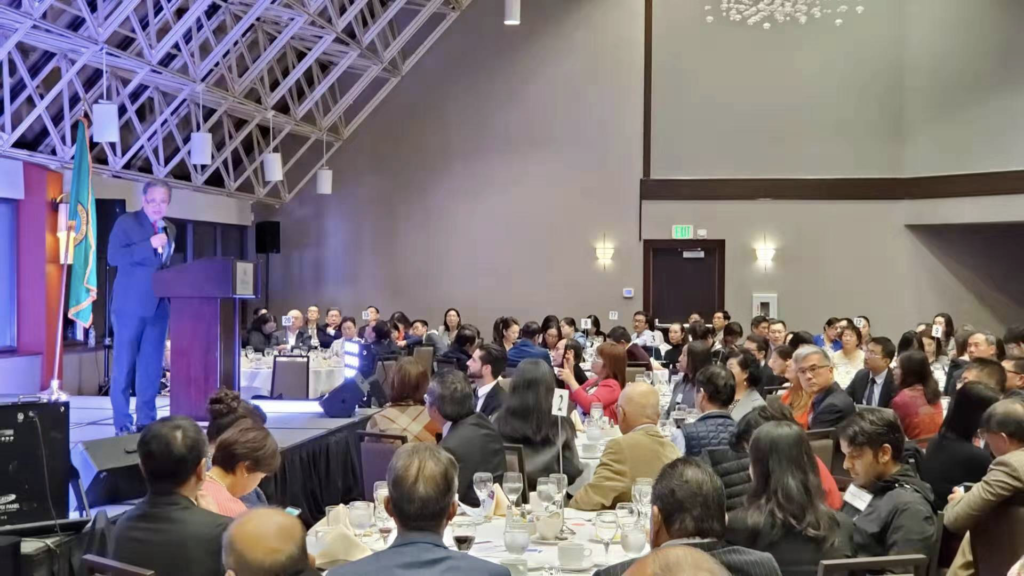
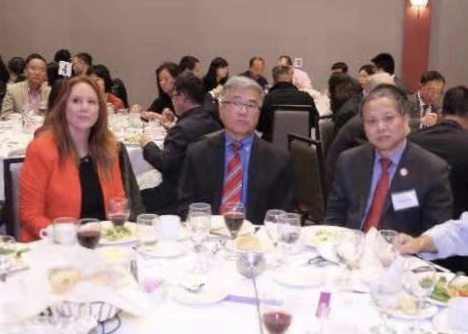
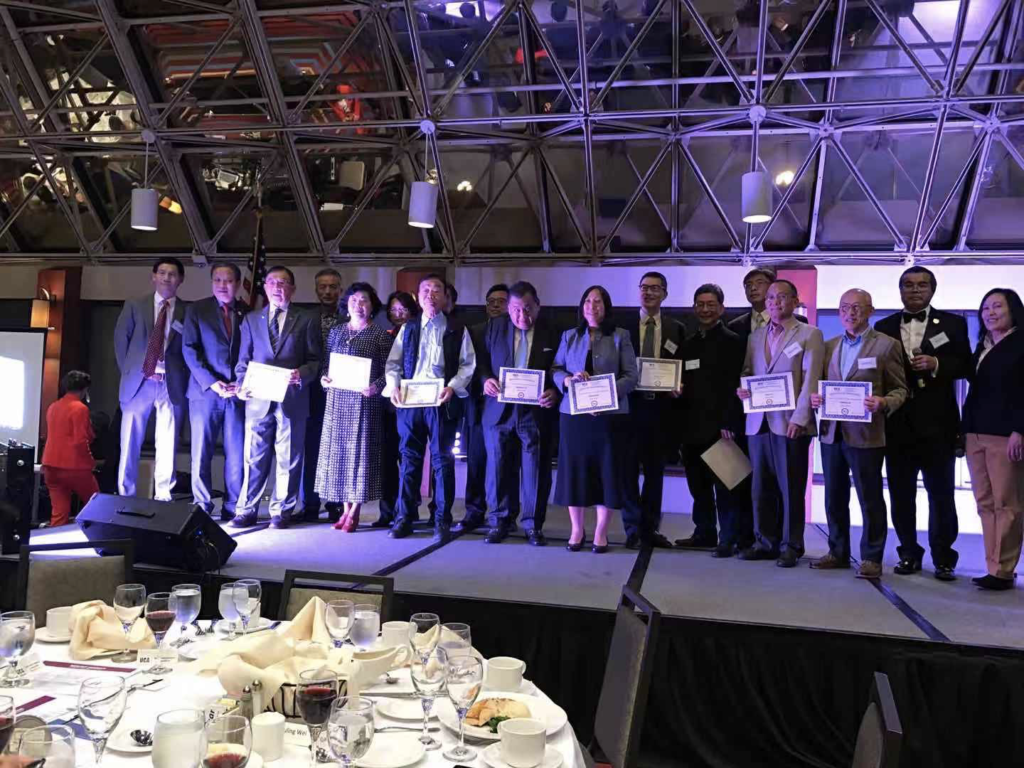
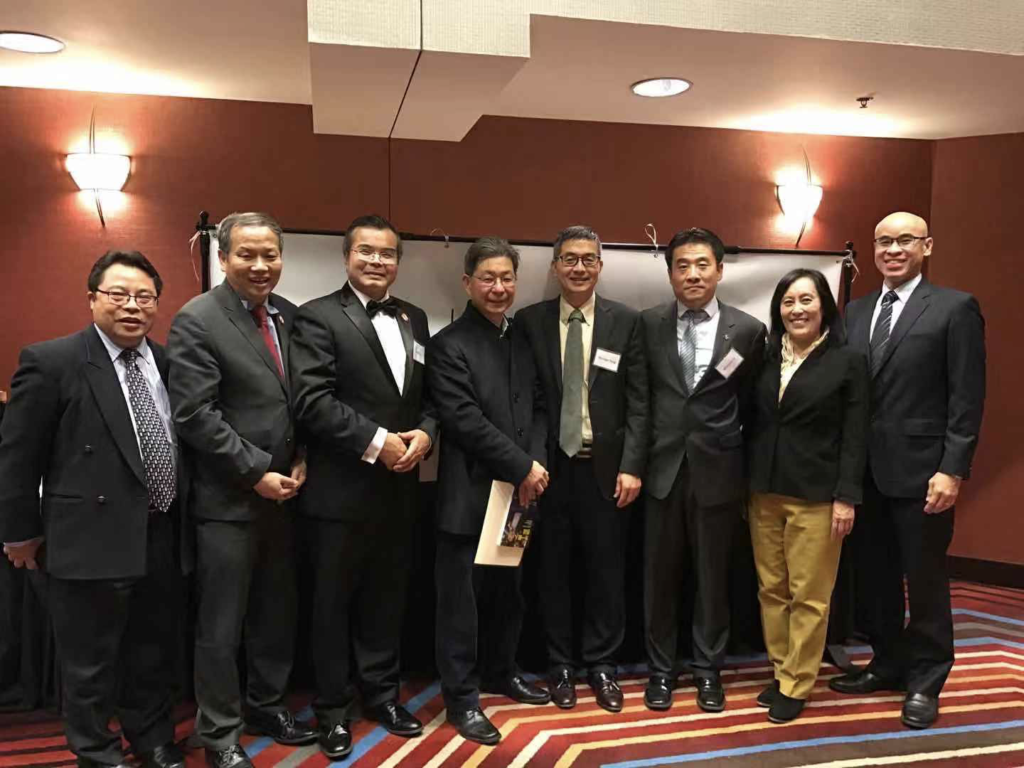
A new chapter of UCA – United Chinese Americans of Washington (UCAWA) hosted its Kick-off Dinner and Reception at Bellevue Hilton. More than 200 guests attended. Among the VIPs there are former Ambassador to China Gary Locke; the Secretary of State Kim Wyman, WA State Representative Mia Gregerson, Former Mayor of Bellevue Conrad Lee, City Council Member Janice Zahn. US Congressman Adam Smith’s representative Garrett Moore also attend the event and red the congratulatory letter from congressman Smith.
As news agency reported, former Governor Gary Locke of Washington commended the huge contribution by Chinese Americans to the United States while warning against a rise in anti-immigrant sentiment in the country. In a speech delivered at the inauguration, Locke recalled Chinese Americans’ contributions to the success of the United States, as early as the key role of Chinese laborers in building the first U.S. transcontinental railroad that boosted American development and prosperity.
He also spoke of the first Chinese American trained in Massachusetts Institute of Technology who became the Boeing company’s first aeronautical engineer in 1916. “In every field from the arts to the sciences, from business to entertainment, politics to sports, Chinese Americans have contributed mightily to America,” said Locke, who is a Chinese American himself. Locke was also a former U.S. ambassador to China, and was secretary of commerce under President Barack Obama’s administration.
In the meanwhile, he slammed an emerging anti-immigrant tendency in U.S. politics. “Today, we’re seeing a return to anti-immigrant sentiment in America, and it’s now targeting the Chinese,” he said.
While referring to the history of Japanese Americans who were put into internment camps during World War II, Locke blasted the anti-immigrant policy of the U.S. government, saying “President (Donald) Trump has enacted policies that would exclude people from countries where Islam is the predominant religion.”
He repeatedly emphasized the importance of diversity to U.S. society. “The strength of America is our diversity of people, cultures, customs, languages, and perspectives of all colors,” he said. He urged Chinese Americans and other Asian Americans to get more engaged in politics to defend their rights. “We have achieved an outsized impact in business, science, and arts and academia that greatly exceeds our numbers,” Locke said.
“If Chinese Americans and Asian Americans are to protect our successes and our constitutional rights, we need more Asian elected officials,” he said. “This is a land of immigrants and our strength as a nation comes from our diversity,” Locke said.
United Chinese Americans is a nationwide non-profit, non-partisan federation dedicated to empowering Chinese American communities through civic engagement, political participation, heritage sharing, youth development and a greater understanding between the United States and China.