2021 UCA Congressional Outreach Campaign FAQ

This document is for United Chinese Americans (UCA), UCA chapters, and all UCA partners and friends. It was written for people who attended the 2021 UCA Congressional Outreach Campaign event on August 5, 2021 and plan to do outreach to their Congressional Member of Congress. This FAQ (frequently asked questions) sheet is a compilation of questions that were asked at and after the 2021 UCA Congressional Outreach Campaign event on Aug. 5. The document also includes questions that people might be thinking and answers that contain valuable information in this political engagement effort. The answers below are the answers from the speakers at that event, from Congressional Members of Congress and their staff, and from UCA.

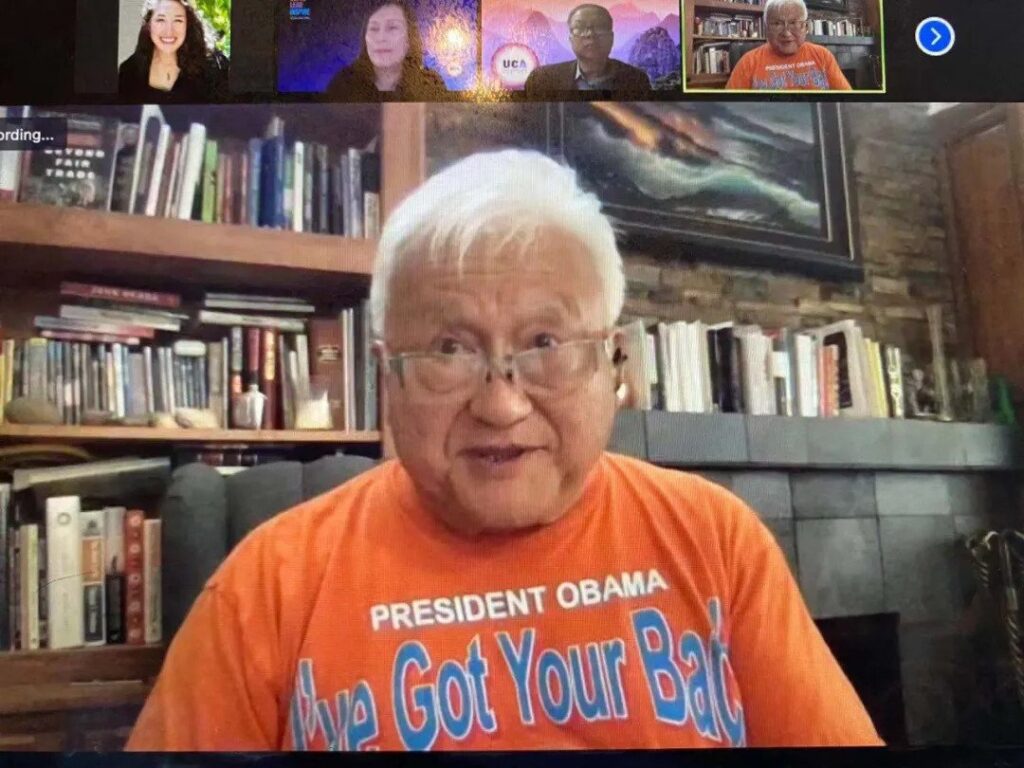
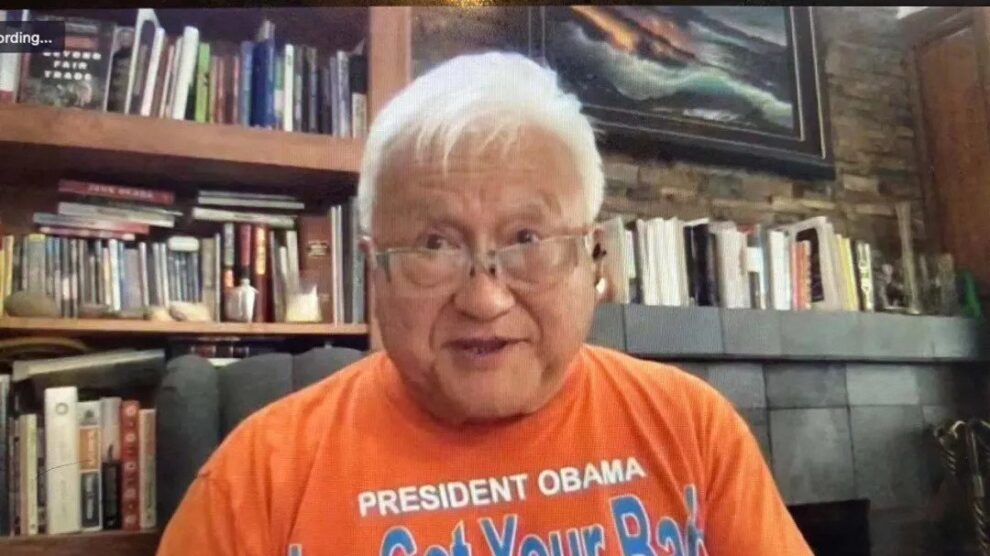
Thank you to the speakers at the event: U.S. Congressman Mike Honda, UCA Volunteer Advisor Monica He, House of Representatives Scheduler Sameer Chintamani, Carolinas Chinese Chamber of Commerce, Inc. President Michael Wang, and UCA President Haipei Shue.

Q1: What is Congress?

A: According to the official U.S. government website: “Established by Article I of the Constitution, the Legislative Branch consists of the House of Representatives and the Senate, which together form the United States Congress. The Constitution grants Congress the sole authority to enact legislation and declare war, the right to confirm or reject many Presidential appointments, and substantial investigative powers.” The House of Representatives and the Senate are each called a “chamber” of Congress.

“The House of Representatives is made up of 435 elected members, divided among the 50 states in proportion to their total population. Members of the House are elected every two years and must be 25 years of age, a U.S. citizen for at least seven years, and a resident of the state (but not necessarily the district) they represent.”

“The Senate is composed of 100 Senators, 2 for each state. Until the ratification of the 17th Amendment in 1913, Senators were chosen by state legislatures, not by popular vote. Since then, they have been elected to six-year terms by the people of each state.

“Senators’ terms are staggered so that about one-third of the Senate is up for reelection every two years. Senators must be 30 years of age, U.S. citizens for at least nine years, and residents of the state they represent.”

Learn more about Congress at https://www.whitehouse.gov/about-the-white-house/our-government/the-legislative- branch/.

Q2: What kind of impact can we expect these meetings to have?

A: Congressional Members of Congress (Members) and their staff routinely meet with constituents in their congressional districts to stay close to current issues. These meetings are integral to the American representative political process, and they are impactful. We can continue this practice of reaching out to our elected officials and being involved to build relationships. As the constituent, it is important your voice and perspective is known so your elected official knows where you stand and how you feel – this can influence the decisions they make that impact your life.

Q3: What direct goals can we achieve from these meetings?

A: These meetings can help educate our community about civic engagement, and also help inform legislators and their staff on the Chinese American communities in their districts. We can help them better understand important issues affecting our communities and how rhetoric, policies, and procedures impact our lives. These meetings can establish a positive relationship between the legislators and our communities.

Please take a photo of those in the meeting who give consent and permission to be photographed for your group’s and UCA’s use on the web, in materials and emails, and on social media. Email us the photo(s) at info@ucausa.org, and when posting online, please use the hashtag #UCAEngaged. By taking a photo of your meeting, you help to increase awareness about this Congressional Outreach Campaign and how important it is that we as Chinese Americans get involved in the political process.

Q4: What is a good group size to assemble, and who can be included in this group to meet with the Member?

A: The optimal group size is around 5-12 people in one group meeting. This group can include any interested community members, especially those who have been actively involved and engaged. It can be effective to include young people and students as well, so don’t rule them out/exclude them from the meeting if they’d like to be included.

Q5: How do I initiate a meeting request with a congressional office?

A: Find your Member – and their online request form or email address – at https://www.congress.gov/members.
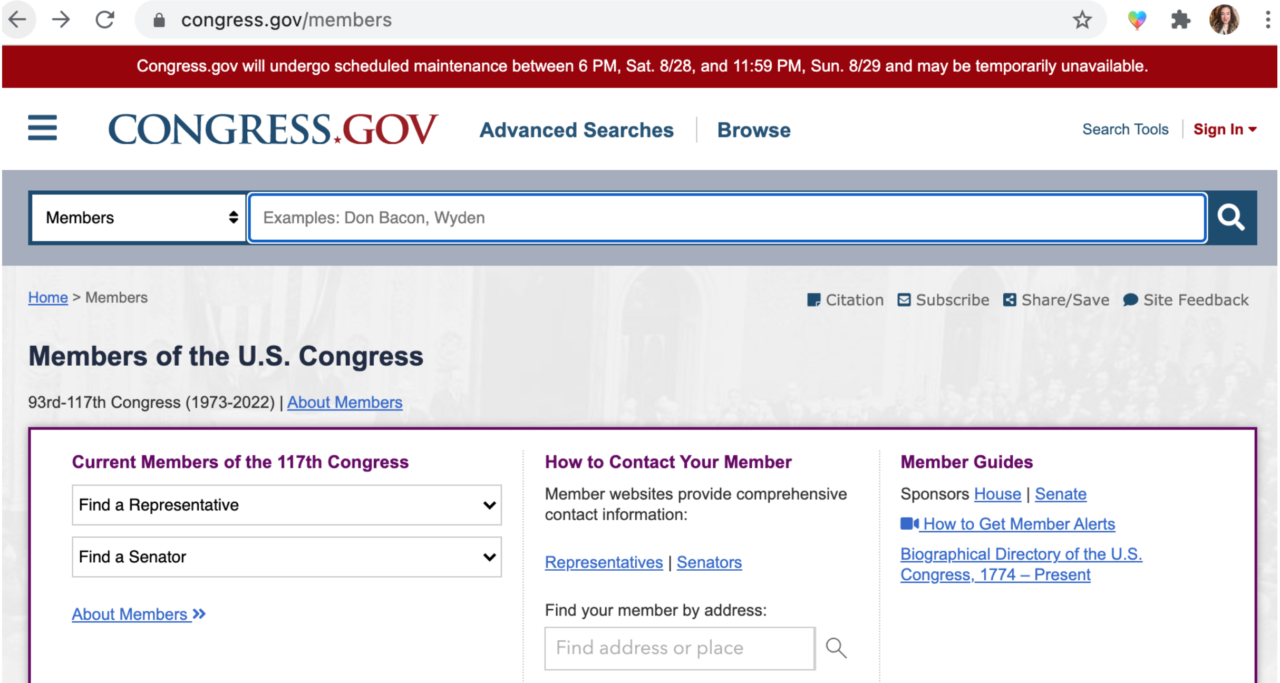
In the middle column of the “Members of the U.S. Congress” webpage, you will see the header “How to Contact Your Member.” Type in your zip code into the “Find address or place” field, and click the magnifying glass icon that is directly to the right of that field.

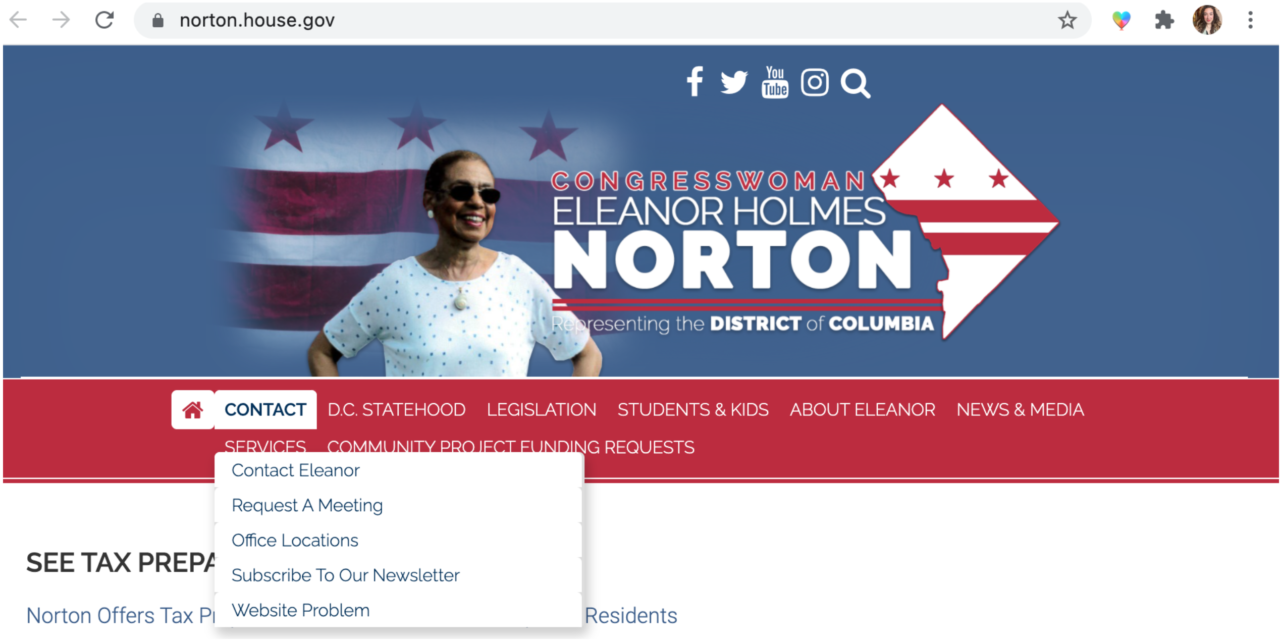
When you are on the “Your Members” webpage, you will see your Members listed on the webpage. Click their name and be directed to their individual webpage. Then click on the url that is listed after “Website,” and you will be directed to their own website. On their own website, click “Contact,” “Request a meeting,” “Scheduling Request,” or “Schedule a meeting.”
When you send your email or message to your Member and their office: In the subject line, include “Meeting Request.” In the body of the message, include your agenda for the meeting, the participants’ names and where they reside, contact information for your group, and desired format of meeting (example: “We request a virtual meeting.”). Providing all of this information helps the Member and their office prepare for your meeting.

Give the Member and their office about seven business days to get back to you. Remember to always be polite even if you do not hear back. Follow up with the Member and their office with another email message and call the office.

Q6: How do I build a good relationship with the Member and their office?

A: First, reach out and always be polite. Be courteous and kind, and express your needs clearly and directly in a professional way. Treat everyone with respect, and remember that the staffers are professionals who work in public service to help communities; they want to help you.

Q7: Should we request a virtual meeting or in-person meeting?

A: Virtual meetings are recommended in the current situation due to the pandemic.

Q8: If the congressional office says the Member is not available but a staff member can meet with us, how should we respond?

A: Request the meeting with the Member, but if the Member is not available, accept the meeting with the staffer and treat them with as much respect as you would the Member. In some instances, a good relationship with the staffer can lead to future meetings with the Member.

Q9: How much time can we expect to have at these meetings?

A: Initial meetings between the Member and constituent groups are usually scheduled for only 15-20 minutes. If a senior staff member meets with your group, you may have 30-60 minutes with the staff in the meeting.

Q10: How to prepare before we go to the meeting?

A: Use UCA’s “Talking Points” document to help you prepare your messaging. And, a powerful tool of communication is your lived experience. Do not shy away from a short story about how you yourself have been impacted by racism, or how you felt when you heard about the “China Initiative” or Asian American history being included in U.S. history lessons, or how you feel when you heard about another member of the Asian American and Native Hawaiian Pacific Islander community being attacked – or when you yourself were attacked. This is very real; your experiences, concerns, fears, and ideas are valid, and this is why we are doing this 2021 UCA Congressional Outreach Campaign – so people like you can have their voices and perspectives heard. People remember stories more than anything else.

Before the meeting, it is good to practice your clear, concise, and straightforward messaging – you will only have a limited amount of time in the meeting. Remember that there will be others in the meeting with you as well. Plan with your group to determine who will be the lead and how much time each speaker gets. (See Q8 above for meeting time.) These coordinated efforts are especially important for virtual meetings. People who plan to speak should rehearse and can come in with scripts, statistics, and reference documents. If you don’t have time to say everything, you can email them after the meeting.

Q11: How can we follow up with the Member and their office after the meeting?

A: Follow up by email/message and by calling the office. Don’t forget to thank them regardless of their stances. In your follow-up, you can recap your key messages and provide any materials.

Q12: Are there certain comments and statements that we should stay clear of?

A: No matter with whom you are communicating, always be polite and kind. Keep this in mind especially when communicating with people who may have opposing stances or views.

Please keep in mind that as an organization, UCA doesn’t endorse candidates in elections. As an individual, you of course can.

Share only your own experiences, perspectives, and ideas. Don’t speak for other people.
UCA in the News: UCA首场国会参与行动研讨会,探讨华人如何与国会议员交流

#UCAEngaged 转自新世界微讯

美国华人联合会(UCA)近日开展今年首个华人社区国会参与行动研讨会,与超过百名华人社区关心政治人士共同探讨华人应该如何更有效的与国会议员进行沟通。UCA会长薛海培说,任何有兴趣参加国会参与行动的团体或个人可以通过find your representative/house.gov网站寻找自己所在选区的议员。

当晚邀请的演讲嘉宾包括美国国会前议员本田(Mike Honda);奥巴马政府时期美国贸易代表办公室(USTR)高级官员,现任财富100强企业政府事务高级主管Monica He;UCA会长,有常年与国会打交道经验的薛海培(HaipeiShue)和国会议员刘云平办公室日程安排人员钦塔马尼(Sameer Chintamani)。四名演讲者从自身经验出发,给与会者提供了许多非常有价值的信息。

薛海培表示,目前美国正处在反亚裔歧视和仇恨的关键时刻,不断恶化的中美关系也导致了美国联邦大规模的种族定性和过度起诉华裔科学家,侵犯华裔美国公民的宪法权利。但是,美国社区并没有习惯于和国会议员接触,向国会议员表达自己的诉求。他希望这场活动能够带领全美华人社区学习如何和议员对话,更好的保障华人社区的权益。

薛海培介绍,美国国会议员会和他们选区的选民进行定期见面,关注选民关心的议题。他说,参加国会参与行动的华人至少需要3至5人成团,团队成员可以使任何对华人社区发展感兴趣或者对国会有一定了解和联系的人。

国会议员刘云平办公室日程安排人员钦塔马尼随后向与会者介绍了国会议员办公室会议请求流程。钦塔马尼介绍,任何计划与国会议员见面的人需要首先通过国会办公室的网站在线提交会议申请,填写会议讨论主题,团队规模,联系方式以及想要的会议形式(目前主要以Zoom形式),并在提交申请后随时进行电话跟进。

美国国会前议员本田随后结合自身经验给与会者提供了一些非常主要的信息。本田说,国会议员非常繁忙,与选民团体的初步会议通常只安排20分钟左右,但是与办公室高级工作人员的会议可以延长至30-60分钟。本田强调,不要小看国会议员办公室的工作人员,因为他们才是民众和议员之间沟通的桥梁。他希望与会者能礼貌对待工作人员,清楚地表达自己的需求。

薛海培建议,虽然国会议员非常繁忙,但是在这次的国会参与行动中,UCA希望国会议员能直接与团体见面,因为这才能以最快的速度让国会关注亚裔群体,了解亚裔问题。

Proud to get news placements for this important initiative. #UCAEngaged

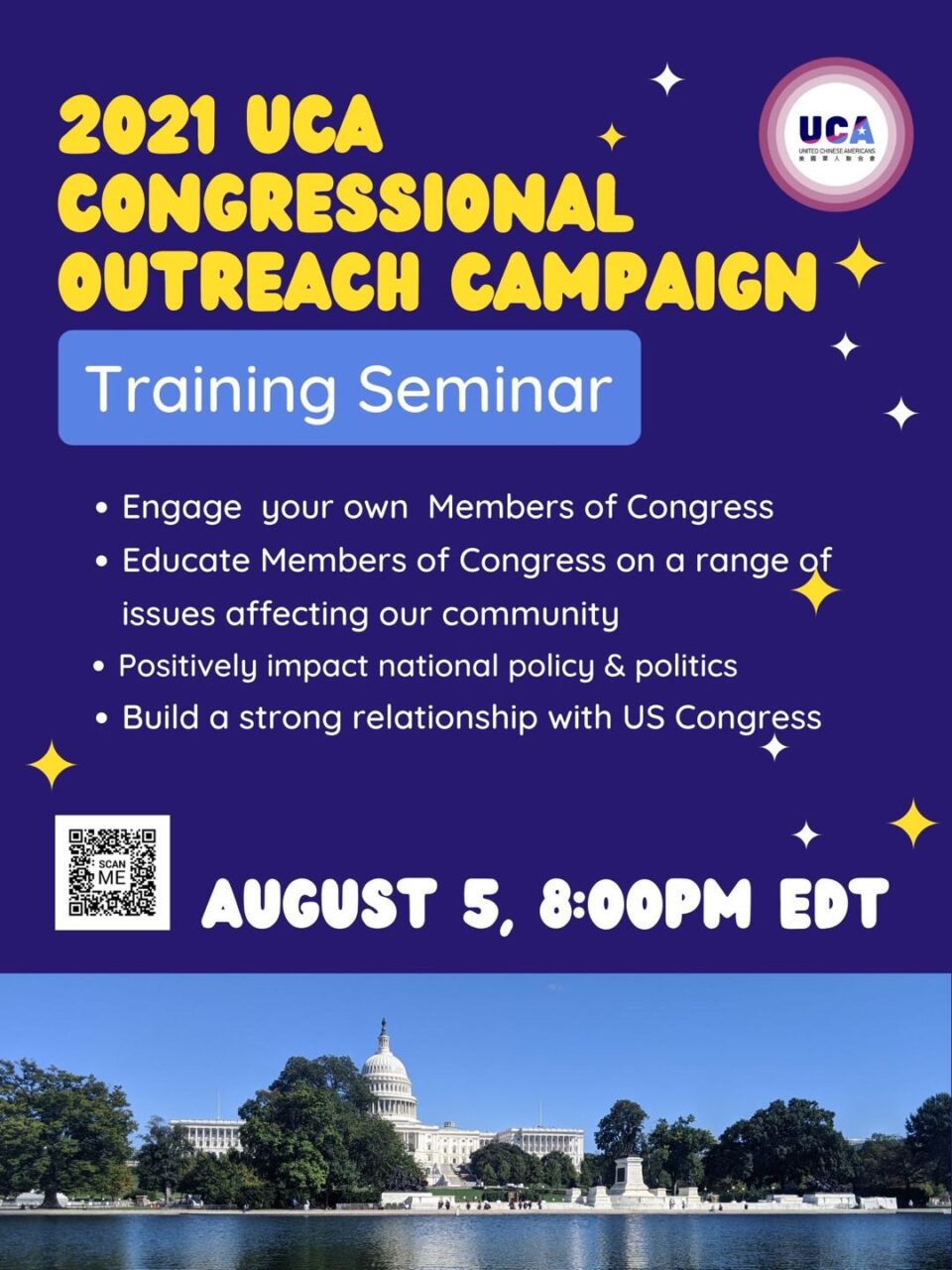
2021 UCA Congressional Outreach Campaign Training Seminar #UCAEngaged

Thursday, August 5, 2021 at 8 p.m. EDT

(Register by Wednesday, August 4, 2021.)

As you know, throughout U.S. history, Chinese and all Asian Americans have been largely left out of the conversations. We would like to be included and have our concerns heard. So, please save the date and time (Thursday, August 5, 2021 at 8 p.m. EDT) to join us and attend UCA’s “2021 UCA Congressional Outreach Campaign” training seminar #UCAEngaged on Thursday, August 5, 2021 at 8 p.m. EDT. The training seminar is via Zoom, and you can register here. Please register as soon as possible and by Wednesday, Aug. 4.

如您所知,在美国历史上,华人和所有亚裔在很大程度上都被排除在与国会议员的对话之外。请参加UCA于2021年8月5日东部时间晚8点举行的“2021 UCA国会参与行动”线上培训研讨会。这场研讨会是通过ZOOM举行,您可以通过点击此链接注册。

In this training seminar, we will discuss how you can connect with your own local elected official who is a Member of U.S. Congress. It is during this time that we can all set up and schedule meetings with them to voice our concerns regarding the pertinent topics of our Chinese American community’s safety. 

Pertinent topics: 

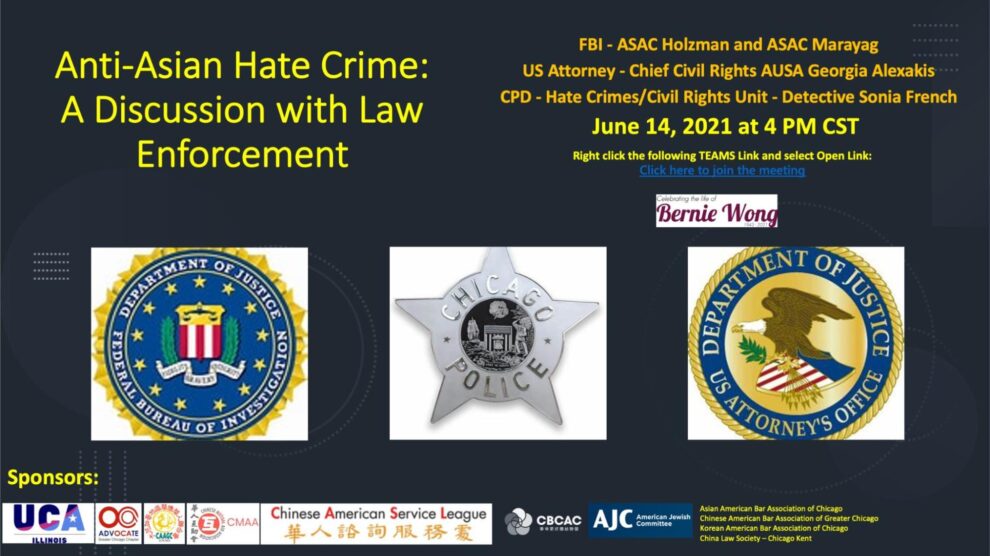
  • Anti-Asian and anti-Chinese hate crimes.
  • The federal government’s ”China Initiative.”
  • Education of Asian American history.

All are welcome. This webinar’s target audience is any interested American of Chinese descent. This event will be in English.

Register by Aug. 4 by clicking here.

We are grateful for your engagement and participation! Please take a photo with your elected officials – each a screenshot of the virtual meeting or a photo of the in-person meeting, and send it to us: Hong.qi@ucausa.org. When you post it on Facebook, Twitter, and Instagram, please tag UCA “@UCASocial” and use the hashtag #UCAEngaged in your caption.

If you have any questions about the event, please contact Qi Hong at hong.qi@ucausa.org.

United Chinese Americans (UCA) is a national nonprofit organization with the mission to empower all Chinese Americans. UCA encourages civic participation, political engagement, youth education, and the preservation of Chinese American heritage and culture. While the organization’s headquarters is in Washington, D.C., UCA has 12 local chapters and over 30 community partners across nearly all 50 States. UCA activities have included: Food of Love, Town Halls, Youth Education and Mental Health initiatives, and more. UCA was incorporated in 2016. To learn more about UCA, please visit https://ucausa.org/ and follow UCA on WeChat, Facebook, Twitter, Instagram, Youtube, and LinkedIn. 

FSI – SPICE Releases New Lesson Plans for PBS Documentary “The Chinese Exclusion Act”

During this time of intense public debate on immigration, SPICE has partnered with PBS and the Center for Asian American Media (CAAM) to encourage teachers to share the American Experience film, The Chinese Exclusion Act, with students. Check it out to learn about the following questions and more:

What factors led to increased immigration from China to the United States?

How did the Chinese adapt to life in the United States that sometimes included hostility directed at them?

How did Chinese immigration to the United States intensify ethnic and cultural conflict and complicate the forging of a national identity?

What role did new laws and the federal judiciary play in instituting racial inequality and in disfranchising various racial groups such as the Chinese?

What factors led to immigration restrictions of the Chinese and ultimately exclusion?

What arguments and methods did Chinese in the United States use to acquire equal rights and opportunities guaranteed by the U.S. Constitution?

How have ideals and institutions of freedom, equality, justice, and citizenship in the United States changed over time and from one community to another?

To watch the trailer, go to: https://www.pbs.org/wgbh/americanexperience/films/chinese-exclusion-act/ 

UCA Statement on the Deadlocked Jury for the Trial of Dr. Anming Hu


United Chinese Americans (UCA) calls for Federal prosecutors to stop prosecuting Dr. Anming Hu, the first trial under Department of Justice’s China Initiative, after the jurors are deadlocked in a hung jury. This deadlocked jury, assembled in Knoxville, Tennessee, exposed serious flaws and a shaky foundation of prosecutions against Chinese American scholars under the DOJ’s controversial China Initiative. Given the troubling new exposure throughout the trial of how the government has conducted itself in this case and several other similar cases, UCA calls for an immediate investigation into any violation of Chinese American scholars’ civil rights by the inspector general of the Department of Justice and Congressional oversight committees. UCA furthermore calls for a moratorium on the prosecution of Chinese American scholars until a White House review of the DOJ’s China Initiative is completed.

“This trial has literally put the federal government’s China Initiative on trial. I believe the government must fully investigate the whole range of disturbing problems by our own law enforcement agencies revealed throughout this trial,” says Jinliang Cai, chairman of UCA, who is also a local Tennessee resident.

Haipei Shue, president of UCA, echoed, “Once again we have come to a crossroads: to continue with the China Initiative or change course. Our government must stop racial profiling Chinese American scholars, stop overzealous prosecution of them and stop weaponizing our whole justice system for routine paperwork mistakes or omissions.”

With fanfare, the Trump Administration launched the China Initiative under DOJ in 2018 with the expressed goal of catching Chinese spies and perpetrators who steal US trade secrets and intellectual properties and that threaten US industrial competitiveness and national security. Nearly three years into it, after a sweeping dragnet searching for Chinese spies and perpetrators in US universities and other research facilities, the China Initiative has brought charges to about a dozen Chinese American professors and scholars, among others, who are neither spies for China nor have shared or stolen any trade secrets. Instead, Federal charges against them have been mostly based on incompletion or omissions in paperwork filled by those charged, such as a university’s routine conflict of interest disclosure forms.

United Chinese Americans (UCA) has advocated for the civil rights of Chinese Americans ever since its founding four years ago in Washington DC. It has defended the civil rights of Sherry Chen and Xiaoxing Xi who had been wronged by the US government. UCA calls for a White House review of the DOJ’s China Initiative, a moratorium on China Initiative until a White House review is completed, and investigation into government conduct by inspector general of DOJ and Congressional oversight committees.

UNC AAPI Executive Team Members speak out against anti-Asian racism

Two executive team members of the Asian and Pacific Islander Caucus for Faculty and Staff in the University of North Carolina (UNC) System spoke out against anti-Asian racism this past week.

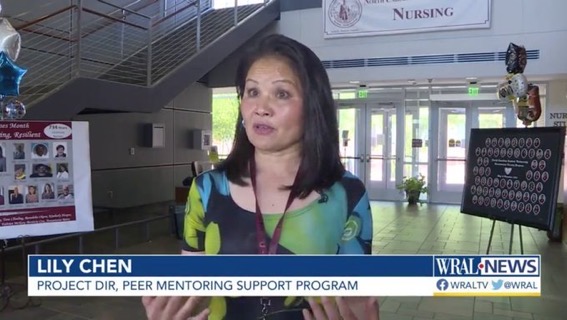
Dr. Anthony Chow, Chair of the Caucus, was interviewed on WRAL News. He described why and how the Caucus was formed: “After the Atlanta shootings, and in particular, increased attacks on Asian seniors, many of us decided that we had to speak out.” He also discloses major themes from personal accounts of racism and discrimination shared by AAPI faculty and staff, especially microaggressions. From a Caucus survey, about one out of three AAPI faculty had experienced some form of racism on campus in the past year, two-thirds had experienced it off campus, and 90% said that family or friends had experienced some kind of discrimination. 

Watch the 2-minute recording here for more detail from Dr. Chow.

Dr. Yiqing Yang, who serves as executive team member of the AAPI caucus at the University of North Carolina (UNC), has published an Op-Ed in the local newspaper Citizen times. Written by three sociologists, the article is titled “What it Means to be Asian and Asian American” and describes how people from East, Southeast, and South Asian diasporas in the United States have been oppressed throughout history. 

Read the full article here, or see the Citizen Times page here

The UNC AAPI caucus was one of the sponsors for UCA’s Op-Ed workshop. Dr. Yang says that she and her co-author found it very helpful in the process of writing and publishing. You can watch the full recording or read a summary of the workshop here.

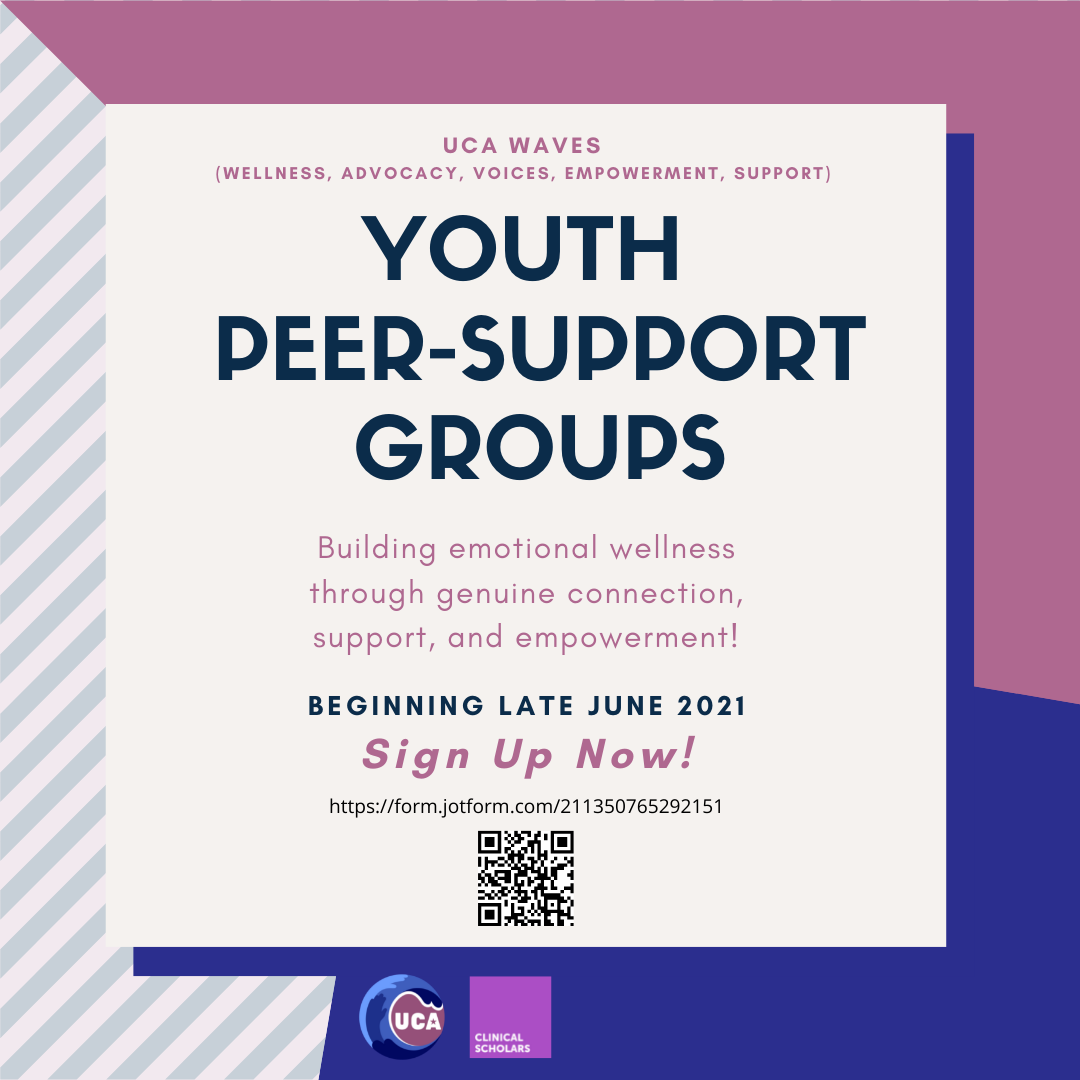
UCA WAVES Youth Peer-Support Sign-Up and Mental Health Survey – open now

After many months of planning, UCA WAVES is now opening registration for our Youth Peer-Support groups! 

We will begin the peer support groups for Asian American youth in June 2021, with a mission to build emotional wellness through genuine connection, support, and empowerment. High-school age youth are encouraged to sign up to participate and/or lead. College and graduate students are welcome to sign up to lead.

Take our online survey (5 minutes to complete) here: www.tinyurl.com/ucayouthsurvey

Information collected in this form will be held in strict confidentiality. Survey data will be used in aggregate form only, without individual identifications. 

For more information about the peer support groups, please see more info about the groups here.

Thank you in advance for helping us learn more about your needs and preferences, and for joining us on this journey of mutual support, empathy, and engagement!

Kids Unite to Stop Asian Hate PSA

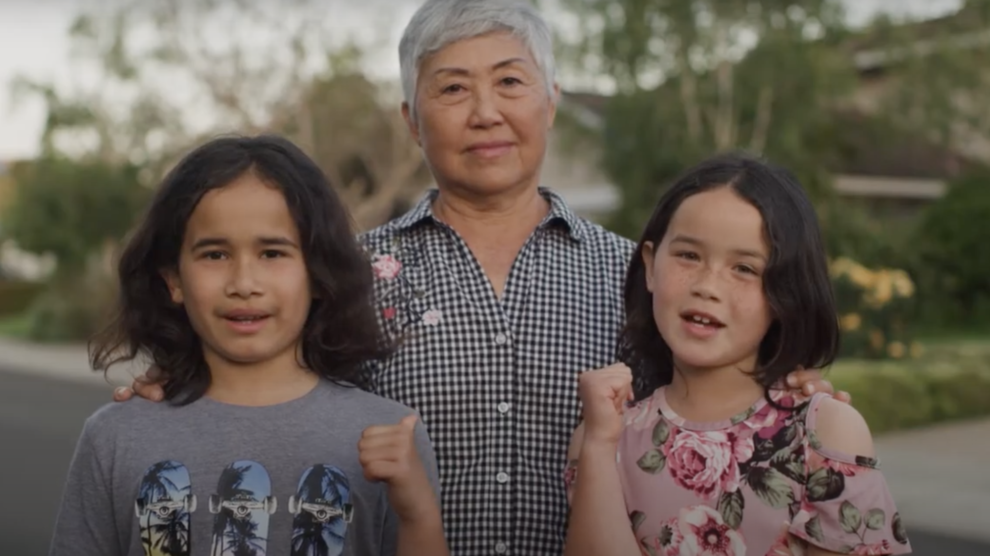
From the creators: “In recognition of Asian American and Pacific Islander Heritage Month and to promote unity among all Americans. While attending a ‘Stop Asian Hate’ candlelight vigil in March following the Atlanta spa shootings, our 14-year old daughter felt compelled to take the mic and encourage the crowd to speak up against discrimination. As the event concluded, our 9-year older daughter made the startling statement, ‘I didn’t know people hated us.’ This inspired our family to produce this PSA to convey the message that we are all Americans, and we have to unite to fight against prejudice and hate. We are proud to show the strong bonds and relationships that all ethnic groups share which is what makes this country great.” Courtesy of Conmoto Creative Company.

UCA Celebrates Asian American Native Hawaiian Pacific Islander (AANHPI) Heritage Month

Happy Asian American Native Hawaiian Pacific Islander (AANHPI) Heritage Month to all AANHPI community members! 

We are with you. We celebrate you, your stories, lives, work, experiences, and families! We are with you in solidarity. Our communities must be seen and heard. Thank you to everyone celebrating with us, and thank you to those in our community who have spoken up to share your ideas with the world! 

We know the AANHPI community is made up of vastly different people, descending from about 48 countries and various lands, religions, and cultures. We honor our diversity and shared goals of inclusion, safety, respect, and livelihood. This month and all days in the calendar, we celebrate You! Thanks for being you!! 谢谢,多谢 Xie xie!

We’ll be making daily posts to uplift AANHPI voices – please follow us @ucasocial on Instagram, Twitter, and Facebook to stay updated!

UCA WAVES Parent Support Needs Survey – available now!

Youth mental health is one of the most urgent issues for the Chinese American community members today. Stigma against mental illness, social isolation, cultural expectations, identity issues, low mental health literacy, and lack of available Chinese-speaking or culturally sensitive mental health professionals – all of these factors contribute to the problem.

Our UCA WAVES team have created a Parent Support Needs Survey to better understand what tools or guidance Chinese-American parents need when addressing their child(ren)’s social and emotional wellbeing. By completing the survey, you will help us provide meaningful targeted services and support for our community. 

The survey can be found at: https://form.jotform.com/211237028599157

Confidentiality Statement

Information collected in this survey will be held in strict confidentiality and will be used in aggregate form only, without individual identifications.

For any questions, please contact us through our new UCA WAVES email: waves@ucausa.org

UCA_WAVES_Logo_Transparent

UCA-WAVES|邀请您参加美国华裔家长需求问卷调查

亲爱的UCA会员和朋友们:

青少年心理健康是当今美国华人社区成员最迫切需要解决的问题之一。对精神疾病的污名化、社会孤立、文化期望、身份认同问题、心理健康素养低、缺乏会说中文或对文化敏感的心理健康专业人员——所有这些因素都导致了这一问题。

我们的UCA-WAVES团队创建了一个家长需求支持问卷调查,以更好地了解华裔美国父母需要什么工具或指导,以解决他们的孩子的社会和情感健康。完成这项调查,将有助我们为社会提供有意义、有针对性的服务和支援。

该调查链接:请点击这里

survey_01

请扫描填写问卷

保密声明

本调查所收集的资料将会严格保密,并只会作为整体使用,不会提供个人身份证明。如有任何问题,请通过UCA wave邮箱联系我们: waves@ucausa.org

UCA将隆重启动WAVES项目,在亚裔社区掀起一个关心下一代的浪潮。W.A.V.E.S.是:健康(Wellness)、倡导(Advocacy)、心声(Voices)、教育(Education)和支持(Support)的缩写,UCA WAVES憧憬着 “一个大家积极参与、相互协助的社区,一个我们年轻的一代能健康、全面地发展的社区”。我们主要有四个使命:

1.      提高对亚裔美国青少年因家庭、文化和社会因素在认同感及心理健康方面带来的挑战的认识;

2.      为青少年精神健康发展提供社区支持及所需资源

3.      培养用文化视角和敏感来探讨心理健康和表现

4.      鼓励参与改善精神和心理健康问题的公共政策制定活动。

survey_01

请扫描填写问卷

Wellness, Advocacy, Voices, Education, and Support (WAVES)-A Supportive and Engaging Community that Fosters Healthy and Holistic Development of Our Youths

https://ucausa.org/uca-waves/

In order to meet the urgent needs of our community, UCA WAVES has worked with its chapters and partners to address mental health issues facing the community and organize 12 youth mental conferences in Chicago (2), Minnesota (1), Wisconsin (2), Ohio (3), Nevada(1), San Francisco (1), and at the 2016 and 2018 Chinese American Conventions (2) in Washington, DC.