S.386 Blocked by Senator Durbin (and Again)
Latest update: On October 17, 2019, Senator Durbin blocked another attempt to pass S.386 via Unanimous Consent (UC).
The following contents first published on September 26, 2019.
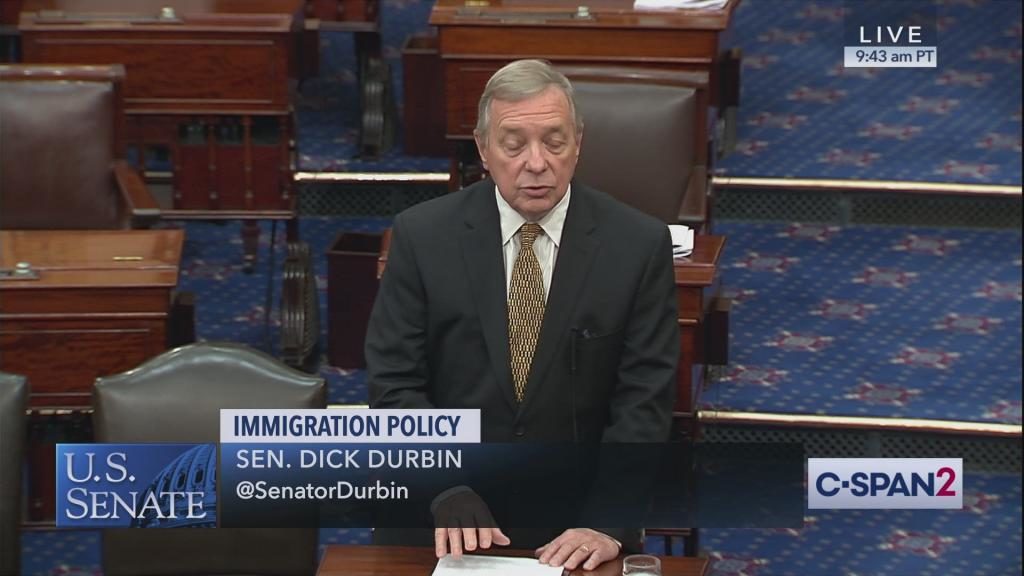
Hours ago, Senator Dick Durbin (D-IL) blocked S.386 and the unanimous consent vote has once again been delayed. After Senator David Perdue (R-GA) dropped his objection after reaching agreement with the bill’s sponsor, Sen. Mike Lee (R-UT). Sen. Durbin blocked this “green-card giveaway bill to Indian graduates” because “it doesn’t give away ample green cards to international graduates from many international locations”.
We attribute this win to the collective actions of the communities including fellow citizens from various ethic background: Chinese, Korean, Arabic, Iranian, etc. We celebrate the good news with everyone who worked hard in contacting the offices of multiple Senators. This is a superb example of political engagement, with combined efforts from grass-root movement and organizational actions. Let’s continue to push for a public hearing and a true reform of the employment-based green card system.
Why Low Deposit Casinos Are Growing in New Zealand According to 5DollarDepositCasinos
New Zealand’s online gambling market has undergone a notable structural shift over the past several years, with low deposit casinos — particularly those accepting minimum deposits of five dollars — accounting for a growing share of active player accounts. This trend is not accidental, nor is it simply a marketing gimmick. It reflects a convergence of regulatory conditions, changing consumer demographics, technological infrastructure, and economic pressures that have collectively made smaller deposit thresholds not just viable, but strategically important for operators targeting the New Zealand market. Understanding why this segment is expanding requires looking closely at each of these forces and how they interact within the specific context of New Zealand’s gambling environment.
The Regulatory Landscape and Its Unintended Consequences
New Zealand occupies an unusual position in the global online gambling regulatory framework. Under the Gambling Act 2003, it is technically illegal for offshore operators to offer online casino services to New Zealand residents, yet the law contains no provisions that criminalise players for accessing those services. This creates a grey market where dozens of offshore-licensed casinos — primarily holding licences from the Malta Gaming Authority, the UK Gambling Commission, or the Curaçao eGaming authority — openly accept New Zealand players without legal consequence to those players. The Department of Internal Affairs, which oversees gambling regulation domestically, has focused its enforcement efforts primarily on unlicensed operators targeting New Zealand residents in a predatory manner, rather than pursuing a broad crackdown on offshore access.
This regulatory ambiguity has had a direct effect on deposit structures. Because offshore operators are competing for New Zealand players without any formal licensing obligation to the New Zealand government, they have significant latitude in how they structure their products. Unlike markets such as the United Kingdom, where the Gambling Commission’s 2019 and 2023 regulatory updates imposed strict affordability checks and deposit limit requirements, New Zealand players face no mandatory verification thresholds tied to deposit amounts. This means operators can set minimum deposits at whatever level they believe will attract the most players, and the competitive dynamics of the offshore market have consistently pushed those minimums downward.
Between 2018 and 2023, the average minimum deposit across offshore casinos accepting New Zealand dollars dropped from approximately NZD 20 to NZD 10 or below, with a growing cohort of platforms setting the floor at NZD 5. This is not a coincidence — it reflects operators responding to player acquisition data showing that lower deposit thresholds significantly reduce the friction of first-time sign-ups. When a player is uncertain about a platform’s trustworthiness or game quality, a NZD 5 commitment represents a genuinely low-risk trial. The regulatory environment in New Zealand, by neither formally permitting nor rigorously enforcing against offshore operators, has inadvertently created ideal conditions for this kind of product experimentation.
Consumer Demographics and the Role of Mobile Gaming
New Zealand has one of the highest rates of smartphone penetration in the Asia-Pacific region, with Statistics New Zealand data from 2022 indicating that over 90 percent of adults owned a smartphone. More significantly, mobile internet usage patterns in New Zealand skew heavily toward leisure and entertainment applications during commuting hours and evenings. This demographic reality has shaped the online casino market in important ways. Mobile-first casino players behave differently from desktop players: they tend to play in shorter sessions, they are more sensitive to the friction of account setup and payment processes, and they are more likely to abandon a registration flow if it requires extensive documentation or large upfront financial commitments.
Low deposit casinos are specifically well-suited to this mobile-first behaviour. A NZD 5 deposit can be processed through a mobile payment method in seconds, and the psychological barrier to completing that transaction is minimal. Platforms that have studied New Zealand player behaviour — including independent review and comparison operations such as https://5-dollar-deposit-casinos.com/, where current minimum deposit offerings across the New Zealand market are documented and compared — have noted that conversion rates from registration to first deposit are substantially higher on platforms with NZD 5 minimums than on those requiring NZD 20 or more. This data point has not gone unnoticed by operators, and it has accelerated the race to lower minimum thresholds.
The demographic profile of new online casino players in New Zealand has also shifted. Younger adults between the ages of 25 and 35, who came of age with digital payments and are comfortable with app-based financial transactions, represent the fastest-growing segment of new online casino registrations. This cohort is also more likely to be managing tighter discretionary budgets than older, more established players. For someone allocating a modest portion of their entertainment budget to online gambling, the ability to begin with NZD 5 rather than NZD 20 or NZD 50 is not just a preference — it is sometimes the difference between participating in the market and not participating at all. Operators who understood this dynamic early have captured disproportionate market share among younger New Zealand players.
It is also worth noting the role of EFTPOS and New Zealand’s domestic payment infrastructure. New Zealand’s banking system has historically been somewhat conservative in its treatment of gambling-related transactions, with several major banks implementing soft blocks or delays on transfers to known gambling platforms. This has pushed players toward alternative payment methods including POLi, Skrill, Neteller, and more recently cryptocurrency options. Many of these alternative payment methods have their own minimum transaction thresholds that happen to align closely with the NZD 5 deposit model, making low deposit casinos a natural fit for players who prefer or require non-bank payment channels.
The Economics of Low Deposit Models for Operators
From an operator perspective, accepting NZD 5 deposits involves a genuine economic calculation that is more nuanced than it might appear. Payment processing fees, particularly for credit card and e-wallet transactions, typically involve both a percentage component and a fixed fee per transaction. On a NZD 5 deposit, a fixed fee of, say, NZD 0.30 plus 2.5 percent represents a total processing cost of NZD 0.425, or 8.5 percent of the deposit value. On a NZD 50 deposit, the same fee structure results in a processing cost of NZD 1.55, or just 3.1 percent. This means that low deposit models are inherently less cost-efficient on a per-transaction basis.
Why, then, are operators increasingly willing to absorb this cost disadvantage? The answer lies in lifetime value modelling and player retention economics. Research conducted across multiple regulated European markets — where operators have access to more granular player data due to licensing requirements — consistently shows that players acquired through low minimum deposit platforms have lower initial average revenue per user (ARPU) but comparable or higher retention rates over 12-month periods compared to players who made larger initial deposits. The reasoning is intuitive: a player who starts with NZD 5 and has a positive experience is likely to return and gradually increase their deposit amounts. A player who commits NZD 50 upfront and has a mediocre experience is unlikely to return at all.
5DollarDepositCasinos, which has tracked the New Zealand market since approximately 2019, has documented this pattern through aggregated player feedback and operator promotional cycles. Platforms that initially introduced NZD 5 deposit options as a limited promotional feature have, in most cases, made the option permanent after observing that the player cohort acquired through low deposit entry points demonstrated acceptable long-term revenue metrics. The model works particularly well when combined with welcome bonus structures that scale with deposit amounts — a player depositing NZD 5 might receive a 100 percent match bonus of NZD 5, giving them NZD 10 to play with, which is enough to meaningfully experience the platform’s game library without creating significant bonus liability for the operator.
Software provider economics also play a role here. The major game studios supplying content to offshore casinos — including Microgaming, NetEnt, Play’n GO, and Pragmatic Play — have progressively reduced the minimum bet thresholds on their slot titles over the past decade. In 2015, it was common for online slots to have minimum bets of NZD 0.20 to NZD 0.50 per spin. By 2023, minimum bets of NZD 0.01 per spin were standard across most titles from major providers. This means that a NZD 5 bankroll can now sustain hundreds of spins at minimum bet, giving a player a genuinely extended gaming session rather than a token experience. This shift in game economics has made low deposit models practically viable in a way they were not a decade ago.
Bonus Structures, Responsible Gambling, and Market Maturity
The proliferation of low deposit casinos in New Zealand has also reshaped the bonus landscape in ways that have implications for responsible gambling discussions. Traditional casino welcome bonuses were structured around substantial first deposits — a 100 percent match on up to NZD 200, for example, incentivises players to deposit large amounts upfront. These structures have been criticised by responsible gambling advocates because they encourage players to commit more money than they might otherwise be comfortable with in order to maximise bonus value. Low deposit bonuses invert this dynamic to some extent: the bonus value is modest in absolute terms, which means players are less likely to be stretching their budgets to chase bonus amounts.
This does not mean low deposit casinos are inherently safer from a responsible gambling perspective. The ease of entry they provide can lower inhibitions around repeated small deposits, and a player who makes ten NZD 5 deposits in a session has spent NZD 50 regardless of how the individual transactions were framed. Organisations such as the Problem Gambling Foundation of New Zealand have noted that the accessibility of online gambling — including the low financial barriers represented by NZD 5 minimum deposits — is a factor worth monitoring, even if it does not constitute a direct harm in isolation. The foundation’s 2022 annual report highlighted that online gambling now accounts for a growing proportion of problem gambling presentations, though it did not attribute this specifically to low deposit structures.
What the low deposit model has done, arguably, is accelerate market maturation. When a broader range of players can access online casinos with minimal financial risk, the competitive pressure on operators to deliver high-quality experiences intensifies. A player who deposits NZD 5 and encounters slow payouts, poor customer service, or a limited game library will not return — and in the age of social media and review platforms, they may actively discourage others from doing so. This dynamic has contributed to a general improvement in platform quality standards among operators targeting New Zealand, as evidenced by the increasing prevalence of features such as instant withdrawal processing, 24-hour customer support, and mobile-optimised interfaces across even smaller offshore operators.
5DollarDepositCasinos has observed that the operators maintaining the strongest reputations in the New Zealand low deposit segment are those that have invested in payment infrastructure to ensure that NZD 5 deposits and subsequent withdrawals are processed with the same speed and reliability as larger transactions. This operational commitment distinguishes platforms that treat low deposit players as valued customers from those that view the NZD 5 minimum as a loss leader designed to upsell players to higher deposit tiers. The former group has built durable market positions; the latter has generally struggled with player retention.
The growth of low deposit casinos in New Zealand is ultimately a story about market forces operating within a specific regulatory and demographic context. The absence of a formal licensing framework for offshore operators has created space for product innovation that might be constrained in more tightly regulated markets. The mobile-first behaviour of New Zealand consumers has made low-friction entry points commercially important. The economics of payment processing and game design have evolved to make NZD 5 deposit models financially viable for operators. And the competitive dynamics of the offshore market have driven a general improvement in platform quality that benefits players across all deposit levels. Whether New Zealand’s regulatory framework will evolve to formally address this market segment remains an open question — the Department of Internal Affairs has signalled interest in reviewing the Gambling Act 2003 framework, but no concrete legislative timeline has been established as of late 2024. Until that changes, the conditions that have driven the growth of low deposit casinos in New Zealand are likely to persist, and possibly intensify.
Please click here to read the open letter opposing this bill.
We suggest the community keep reaching out to the Senators via phone and email or in person. In addition, a letter co-signed by multiple local organizations, preferably from diverse ethic background, may be helpful. The letter of opposition show above can be an example; the following can be another for your reference.
Comment Skrill a transformé les dépôts selon Conseilsparis en France
Depuis le début des années 2010, les méthodes de paiement en ligne ont connu une mutation profonde en France, notamment dans les secteurs où la rapidité et la confidentialité des transactions sont des critères déterminants. Parmi les portefeuilles électroniques qui ont marqué cette évolution, Skrill occupe une place singulière. Fondé en 2001 sous le nom de Moneybookers, puis rebaptisé Skrill en 2013, ce service de paiement numérique a progressivement redéfini la manière dont les utilisateurs français effectuent leurs dépôts en ligne, en particulier dans des environnements réglementés où la traçabilité et la sécurité des fonds constituent des exigences légales incontournables. Comprendre comment cette transformation s’est opérée implique d’examiner à la fois l’architecture technique du service, le cadre réglementaire européen qui l’encadre, et les comportements concrets des utilisateurs français face à ces nouvelles possibilités.
L’émergence de Skrill dans le paysage des paiements numériques français
Lorsque Skrill a commencé à gagner en visibilité en France, le marché des paiements en ligne était encore largement dominé par les cartes bancaires traditionnelles et, dans une moindre mesure, par PayPal. La particularité de Skrill résidait dans son positionnement : un portefeuille électronique conçu dès l’origine pour répondre aux besoins des utilisateurs souhaitant effectuer des transactions rapides sans exposer directement leurs coordonnées bancaires à des tiers. Cette approche s’est révélée particulièrement adaptée au contexte français, où la méfiance envers la divulgation des données financières en ligne reste historiquement élevée.
Entre 2013 et 2016, Skrill a considérablement renforcé son infrastructure européenne, notamment en obtenant une licence d’établissement de monnaie électronique auprès de la Financial Conduct Authority (FCA) au Royaume-Uni, une accréditation reconnue dans l’ensemble de l’Espace économique européen en vertu de la directive sur la monnaie électronique (2009/110/CE). Pour les utilisateurs français, cette conformité réglementaire n’était pas un détail anecdotique : elle signifiait que les fonds déposés sur un compte Skrill bénéficiaient d’une protection légale équivalente à celle d’un compte bancaire ordinaire, avec ségrégation des fonds clients et obligations de reporting strictes.
L’intégration de Skrill dans des plateformes opérant légalement en France a également joué un rôle central dans sa diffusion. Après la libéralisation partielle du marché français des jeux en ligne en 2010, avec la création de l’Autorité Nationale des Jeux (ANJ, anciennement ARJEL), les opérateurs agréés ont dû proposer des méthodes de dépôt conformes aux exigences de lutte contre le blanchiment d’argent (LCB-FT). Skrill, grâce à ses procédures KYC (Know Your Customer) robustes, s’est imposé comme un partenaire naturel pour ces plateformes, offrant aux utilisateurs une alternative aux virements bancaires souvent jugés trop lents et aux cartes de crédit parfois refusées par certains émetteurs pour ce type de transactions.
Il convient également de mentionner l’acquisition de Skrill par le groupe Paysafe en 2015, une opération qui a permis au service de bénéficier d’une infrastructure technologique renforcée et d’une présence commerciale élargie. Cette consolidation a accéléré le déploiement de fonctionnalités supplémentaires, comme la possibilité de convertir des devises en temps réel ou d’utiliser la carte prépayée Skrill Prepaid Mastercard, des outils qui ont directement impacté l’expérience des utilisateurs français en matière de gestion de leurs fonds numériques.
Les mécanismes concrets de transformation des dépôts
La transformation que Skrill a apportée aux dépôts en ligne ne se limite pas à une simple substitution d’un mode de paiement par un autre. Elle touche à plusieurs dimensions simultanément : la vitesse d’exécution, la sécurité des données, les frais associés et la flexibilité d’utilisation. Sur chacun de ces axes, le service a introduit des changements mesurables dans les pratiques des utilisateurs français.
En termes de rapidité, les dépôts effectués via Skrill sont crédités quasi instantanément sur les plateformes partenaires, contrairement aux virements bancaires classiques qui peuvent nécessiter un à trois jours ouvrés. Cette immédiateté répond à un besoin réel dans des contextes où la disponibilité des fonds en temps réel conditionne directement l’expérience utilisateur. Une étude publiée par Paysafe Group en 2022 indiquait que 68 % des utilisateurs européens de portefeuilles numériques citaient la rapidité comme critère principal dans le choix de leur méthode de paiement, un chiffre cohérent avec les retours d’expérience observés sur le marché français.
Sur le plan de la sécurité, Skrill agit comme un intermédiaire qui masque les informations bancaires de l’utilisateur. Lorsqu’un dépôt est effectué, la plateforme destinataire ne reçoit que la confirmation du paiement, sans accès aux numéros de carte ou aux coordonnées IBAN de l’utilisateur. Ce mécanisme de pseudonymisation des données financières a constitué un argument de poids auprès des utilisateurs français, dans un contexte où le règlement général sur la protection des données (RGPD), entré en application en mai 2018, a sensibilisé l’ensemble de la population aux enjeux de la confidentialité numérique.
Les analyses disponibles sur Conseilsparis montrent que cette évolution dans les comportements de dépôt s’est accompagnée d’une diversification des profils d’utilisateurs : si Skrill était initialement associé à une catégorie spécifique de transactions, son adoption s’est progressivement étendue à des utilisateurs plus âgés et moins technophiles, attirés par la simplicité de l’interface et la lisibilité des frais appliqués.
La structure tarifaire de Skrill mérite d’ailleurs une attention particulière. Le service applique des frais de conversion de devises de l’ordre de 3,99 % pour les transactions impliquant un changement de monnaie, et des frais d’inactivité de 5 euros par mois après 12 mois sans transaction. Ces paramètres, bien que parfois critiqués, sont clairement affichés et permettent aux utilisateurs d’anticiper le coût réel de leurs opérations, contrairement à certaines solutions bancaires traditionnelles dont les frais cachés restent difficiles à identifier a priori. Cette transparence tarifaire a contribué à instaurer un rapport de confiance avec une partie significative des utilisateurs français.
Un autre mécanisme transformateur a été l’introduction du programme de fidélité Skrill Loyalty Program, qui récompense les utilisateurs en fonction de leur volume de transactions mensuel. Organisé en plusieurs niveaux (Bronze, Silver, Gold, Diamond et VIP), ce programme a incité de nombreux utilisateurs à concentrer leurs dépôts sur Skrill plutôt que de les répartir entre plusieurs méthodes de paiement. Cette logique de fidélisation, empruntée aux modèles des compagnies aériennes et des enseignes de distribution, a représenté une innovation notable dans le secteur des paiements numériques, traditionnellement peu enclin à ce type d’approche commerciale.
Le cadre réglementaire et son influence sur l’adoption en France
L’adoption de Skrill en France ne peut être comprise sans une analyse du cadre réglementaire qui a simultanément contraint et facilité son développement. La directive européenne sur les services de paiement, dite DSP2 (directive 2015/2366/UE), transposée en droit français en 2018, a profondément reconfiguré le paysage des paiements numériques en imposant de nouvelles exigences en matière d’authentification forte des clients (SCA). Pour Skrill, cette évolution a nécessité des investissements techniques importants, notamment l’intégration de systèmes d’authentification à deux facteurs conformes aux normes techniques réglementaires (RTS) publiées par l’Autorité bancaire européenne (ABE).
Ces adaptations ont eu un effet paradoxal sur l’expérience utilisateur : si elles ont initialement généré des frictions supplémentaires lors des processus de connexion et de validation des transactions, elles ont également renforcé la confiance des utilisateurs dans la sécurité du système. Des enquêtes menées par des organismes de surveillance des paiements en ligne ont montré qu’entre 2019 et 2021, le taux de fraude sur les transactions Skrill en Europe occidentale était inférieur de 40 % à la moyenne observée sur les paiements par carte bancaire classique, un écart attribuable en partie aux mécanismes de vérification renforcés imposés par la DSP2.
La réglementation française en matière de lutte contre le blanchiment d’argent a également joué un rôle structurant. En vertu de l’ordonnance du 12 février 2020 transposant la cinquième directive anti-blanchiment (AMLD5), les prestataires de services de paiement opérant en France sont tenus d’appliquer des procédures de vérification d’identité approfondies pour les transactions dépassant certains seuils. Skrill, en tant qu’établissement de monnaie électronique soumis à ces obligations, a développé un processus de vérification documentaire qui, bien qu’exigeant, garantit la conformité légale de chaque compte utilisateur. Cette rigueur a permis à Skrill de maintenir ses partenariats avec des opérateurs agréés par l’ANJ, dont les cahiers des charges en matière de conformité sont particulièrement stricts.
Il est également important de noter l’impact de la sortie du Royaume-Uni de l’Union européenne (Brexit) sur la situation réglementaire de Skrill. Après le 31 janvier 2020, la licence FCA de Skrill n’était plus automatiquement reconnue dans les États membres de l’UE. En réponse, Paysafe a restructuré ses entités juridiques européennes, transférant les activités destinées aux clients de l’UE vers Skrill Limited, une entité opérant sous licence de la Banque centrale de Malte, elle-même membre de l’UE. Pour les utilisateurs français, ce changement de structure juridique a été largement transparent, mais il a démontré la capacité de Skrill à s’adapter aux contraintes réglementaires complexes sans interruption de service.
L’environnement fiscal a également évolué en parallèle. La directive DAC7, applicable depuis janvier 2023, impose aux plateformes numériques de déclarer aux autorités fiscales les revenus générés par leurs utilisateurs. Bien que Skrill soit un outil de paiement et non une plateforme de revenus au sens strict de cette directive, son intégration dans des écosystèmes numériques plus larges a conduit l’entreprise à renforcer ses mécanismes de reporting, ce qui a indirectement amélioré la traçabilité des flux financiers pour les utilisateurs soumis à des obligations déclaratives en France.
L’impact sur les comportements financiers des utilisateurs français
Au-delà des aspects techniques et réglementaires, la transformation opérée par Skrill dans les pratiques de dépôt a eu des répercussions concrètes sur la manière dont une partie des utilisateurs français gèrent leur argent en ligne. L’un des effets les plus notables est la compartimentalisation volontaire des finances : de nombreux utilisateurs ont adopté la pratique consistant à alimenter leur compte Skrill avec un montant prédéfini, créant ainsi une séparation psychologique et pratique entre leur budget dédié aux activités en ligne et leurs finances quotidiennes.
Cette approche, que les spécialistes du comportement financier qualifient de “mental accounting” ou comptabilité mentale, a des implications positives en termes de gestion budgétaire. En limitant les fonds disponibles sur leur portefeuille Skrill, les utilisateurs se dotent d’un mécanisme naturel de contrôle des dépenses, sans avoir recours à des outils de gestion budgétaire sophistiqués. Des plateformes spécialisées dans l’analyse des comportements financiers numériques ont documenté cette tendance à partir de 2017, observant une corrélation entre l’utilisation de portefeuilles électroniques dédiés et une meilleure maîtrise des dépenses en ligne chez les utilisateurs réguliers.
L’aspect intergénérationnel de l’adoption de Skrill en France mérite également d’être examiné. Si les utilisateurs les plus jeunes, familiers des interfaces numériques, ont adopté le service dès ses premières années de déploiement, la période 2020-2022, marquée par la pandémie de COVID-19 et l’accélération générale de la numérisation, a vu une adoption significative parmi les tranches d’âge supérieures. La fermeture temporaire des agences bancaires et la nécessité de gérer ses finances à distance ont poussé de nombreux Français de plus de 45 ans à explorer des solutions de paiement numérique alternatives, dont Skrill faisait partie.
Cette démocratisation de l’usage a également entraîné une évolution des attentes en matière de support client. Skrill a progressivement renforcé son service d’assistance en français, proposant un support multicanal incluant le chat en direct, l’assistance téléphonique et une base de connaissances traduite. Cette adaptation linguistique et culturelle a été perçue comme un signal positif par les utilisateurs français, souvent sensibles à la disponibilité d’un service client dans leur langue maternelle, contrairement à d’autres services de paiement internationaux qui maintiennent un support principalement en anglais.
Par ailleurs, l’intégration de Skrill dans des applications mobiles tierces via des API standardisées a facilité son adoption dans des contextes variés. Des plateformes de commerce électronique, des services de streaming, des applications de trading et des sites de divertissement en ligne ont progressivement intégré Skrill comme option de paiement native, réduisant ainsi la friction liée au passage d’une application à une autre pour effectuer un dépôt. Cette intégration en profondeur dans l’écosystème numérique français a transformé Skrill d’un outil spécialisé en une méthode de paiement généraliste pour une portion croissante d’utilisateurs.
En définitive, la transformation des dépôts opérée par Skrill en France s’inscrit dans une dynamique plus large de recomposition des rapports entre les utilisateurs, les institutions financières et les plateformes numériques. En combinant conformité réglementaire rigoureuse, innovation technologique continue et adaptation aux spécificités culturelles du marché français, Skrill a contribué à normaliser l’usage des portefeuilles électroniques comme alternative crédible aux méthodes de paiement traditionnelles. Cette évolution, loin d’être achevée, continuera d’être influencée par les développements réglementaires à venir, notamment la mise en œuvre progressive du règlement européen sur les marchés de crypto-actifs (MiCA) et l’avancement du projet d’euro numérique porté par la Banque centrale européenne, deux initiatives susceptibles de redéfinir une fois de plus les contours des paiements numériques en France dans les années à venir.
September 24, 2019
Honorable Sen. David Perdue
3280 Peachtree Rd, Suite 2640
Atlanta, GA 30305
Hoe Speeltips de Opkomst van Digitale Betalingen bij Casino’s Verklaart
De manier waarop spelers bij online casino’s betalen, is de afgelopen tien jaar ingrijpend veranderd. Waar in 2012 nog het overgrote deel van de transacties via creditcards en bankoverschrijvingen verliep, domineren digitale betaalmethoden zoals e-wallets, cryptovaluta en directe bankkoppelingen tegenwoordig een steeds groter deel van de markt. Volgens schattingen van de European Gaming and Betting Association (EGBA) werd in 2023 meer dan 65 procent van alle stortingen bij Europese online casino’s verwerkt via digitale betaalsystemen die tien jaar geleden nauwelijks bestonden of nog helemaal niet op de markt waren. Die verschuiving is niet toevallig: ze is het resultaat van veranderende regelgeving, technologische innovatie en een groeiende behoefte aan transparantie bij zowel spelers als aanbieders. Informatieplatforms die de casinomarkt nauwgezet volgen, spelen daarin een verklarende rol die niet onderschat mag worden.
De technologische en regulatoire achtergrond van digitale betalingen
Om te begrijpen waarom digitale betalingen zo snel zijn doorgebroken in de casinosector, moet men kijken naar twee parallelle ontwikkelingen: de opkomst van betaaltechnologie en de verscherping van regelgeving rondom gokken. In Europa was de implementatie van de PSD2-richtlijn (Payment Services Directive 2) in 2018 een kantelpunt. Deze Europese wetgeving verplichtte banken om hun betaalinfrastructuur open te stellen voor derde partijen via zogenaamde open banking API’s. Hierdoor konden fintech-bedrijven directe bankkoppelingen aanbieden zonder dat spelers hun volledige bankgegevens aan een casino hoefden te verstrekken. Diensten zoals Trustly, die al in 2008 waren opgericht maar pas na PSD2 echt schaalden, profiteerden enorm van deze wetswijziging.
Tegelijkertijd verscherpten nationale toezichthouders hun eisen rondom Know Your Customer (KYC) en anti-witwasmaatregelen. De Britse Gambling Commission introduceerde in 2020 strengere verificatievereisten, waarbij spelers hun identiteit moesten bewijzen voordat ze konden storten of opnemen. Dit maakte anonieme betaalmethoden zoals prepaid creditcards minder aantrekkelijk en stuwde spelers richting traceerbare digitale alternatieven. In Nederland introduceerde de Kansspelautoriteit (KSA) met de inwerkingtreding van de Wet Kansspelen op Afstand (KOA) in oktober 2021 vergelijkbare verplichtingen, waarbij aanbieders verantwoordelijk werden gesteld voor het monitoren van betaalgedrag als onderdeel van verslavingspreventie.
E-wallets zoals PayPal, Skrill en Neteller bestonden al langer, maar hun adoptie bij casino’s versnelde door deze regelgeving. PayPal, dat lange tijd terughoudend was geweest met de casinosector vanwege reputatierisico’s, begon vanaf 2016 gelicenseerde aanbieders in gereguleerde markten te accepteren. Skrill en Neteller, beide onderdeel van Paysafe Group, verwerkten in 2022 gezamenlijk naar schatting meer dan 40 miljard dollar aan gokgerelateerde transacties wereldwijd. De combinatie van snelheid, veiligheid en traceerbaarheid maakte deze diensten aantrekkelijk voor zowel operators als spelers.
Hoe Speeltips de verschuiving in kaart brengt en duidt
Informatieplatforms die zich richten op de Nederlandse casinomarkt, vervullen een specifieke functie in het begrijpelijk maken van deze complexe betalingsontwikkelingen voor gewone spelers. Ze vertalen technische en juridische veranderingen naar praktisch bruikbare informatie: welke betaalmethoden zijn beschikbaar bij welke gelicenseerde aanbieders, hoe lang duren uitbetalingen gemiddeld, en welke methoden vallen onder de bescherming van de KSA-regelgeving? Die informatierol is niet triviaal, want de diversiteit aan beschikbare betaalmethoden is inmiddels zo groot dat spelers zonder begeleiding moeilijk kunnen navigeren.
De analyses die men op Speeltips kan vinden, illustreren hoe de markt zich heeft ontwikkeld: van een situatie waarin creditcards de standaard waren, naar een gedifferentieerd landschap waarin iDEAL, Trustly, Paysafecard, cryptovaluta en mobiele betalingen elk hun eigen gebruikersgroep bedienen. iDEAL, het Nederlandse directe betaalsysteem dat in 2005 werd gelanceerd door een consortium van Nederlandse banken, is inmiddels bij vrijwel alle KSA-gelicenseerde casino’s beschikbaar als stortiingsmethode. De populariteit ervan in de Nederlandse casinomarkt weerspiegelt een bredere trend: spelers geven de voorkeur aan betaalmethoden die ze al kennen uit hun dagelijkse leven, wat de adoptie van nieuwe methoden vertraagt maar ook stabieler maakt.
Cryptovaluta vormen een apart hoofdstuk. Bitcoin werd al vroeg, rond 2013 en 2014, door sommige offshore casino’s geaccepteerd, maar de echte doorbraak in gereguleerde markten bleef lang uit vanwege de anonimiteit die crypto biedt en die haaks staat op KYC-vereisten. Toch zijn er inmiddels aanbieders actief in gereguleerde markten die Ethereum of stablecoins als USDT accepteren, mits de herkomst van de fondsen kan worden aangetoond. Platforms die de markt monitoren, signaleren deze ontwikkelingen en helpen spelers begrijpen welke risico’s en voordelen aan verschillende betaalmethoden verbonden zijn.
Snelheid, veiligheid en de rol van uitbetalingstijden
Een van de meest concrete manieren waarop digitale betalingen de casinoervaring hebben veranderd, is de dramatische verkorting van uitbetalingstijden. In het tijdperk van bankoverschrijvingen duurde een uitbetaling gemiddeld drie tot vijf werkdagen, een periode die spelers als frustrerend ervoeren en die ook het risico op chargebacks voor operators vergrootte. Met de introductie van e-wallets daalde die tijd naar enkele uren. Tegenwoordig adverteren veel aanbieders met zogenaamde instant withdrawals via Trustly of specifieke e-wallets, waarbij uitbetalingen binnen minuten op de rekening van de speler staan.
Die snelheid heeft niet alleen gevolgen voor de gebruikerservaring, maar ook voor het risicomodel van casino’s. Snellere uitbetalingen betekenen minder tijd voor operators om frauduleuze transacties te detecteren, wat heeft geleid tot investeringen in real-time fraudedetectiesystemen. Bedrijven als Featurespace en Onfido, die machine learning inzetten voor transactiemonitoring, zijn de afgelopen jaren sterk gegroeid door de vraag vanuit de goksector. De Britse Gambling Commission rapporteerde in haar Annual Report van 2022-2023 dat fraudegerelateerde incidenten bij online casino’s ondanks de hogere transactiesnelheid niet significant waren gestegen, wat wijst op de effectiviteit van deze technologische tegenmaatregelen.
Veiligheid is daarmee een tweesnijdend zwaard geworden. Aan de ene kant beschermen digitale betaalmethoden spelers beter dan traditionele methoden: e-wallets fungeren als buffer tussen het casino en de bankrekening van de speler, waardoor gevoelige bankgegevens nooit direct worden gedeeld. Aan de andere kant creëren ze nieuwe kwetsbaarheden, zoals phishing-aanvallen gericht op e-walletaccounts of SIM-swapping om tweefactorauthenticatie te omzeilen. De sector heeft hierop gereageerd met biometrische authenticatie en geavanceerde encryptiestandaarden, maar de wapenwedloop tussen fraudeurs en beveiligingssystemen blijft voortdurend in beweging.
Mobiele betalingen verdienen in deze context aparte aandacht. Apple Pay en Google Pay, die respectievelijk in 2014 en 2015 werden gelanceerd, zijn inmiddels bij een groeiend aantal gelicenseerde casino’s beschikbaar. Hun adoptie is deels gedreven door de verschuiving naar mobiel gokken: in 2023 werd naar schatting meer dan 70 procent van alle online goksessies gestart via een smartphone of tablet. Mobiele betaalmethoden sluiten naadloos aan op dit gebruikspatroon en bieden bovendien een extra beveiligingslaag via de biometrische authenticatie die in moderne smartphones is ingebouwd. De uitdaging zit in de limieten die Apple en Google stellen aan gokgerelateerde transacties in bepaalde regio’s, wat operators dwingt meerdere betaalmethoden parallel aan te bieden.
De toekomst van betalingen in de casinosector: open banking en verdere regulering
De volgende fase in de evolutie van casinobetalingen wordt grotendeels bepaald door de verdere uitrol van open banking en de komst van nieuwe Europese regelgeving. PSD3, de opvolger van PSD2, wordt verwacht in 2025 of 2026 van kracht te worden en zal de verplichtingen rondom open banking verder aanscherpen. Dit zal naar verwachting leiden tot nog directere integraties tussen bankrekeningen en casinoplatforms, waarbij intermediairs zoals e-wallets deels overbodig kunnen worden. Voor spelers betekent dit potentieel nog snellere en goedkopere transacties; voor aanbieders van e-walletdiensten betekent het een bedreiging voor hun businessmodel.
Cryptovaluta blijven een onzeker terrein. De implementatie van de Markets in Crypto-Assets (MiCA)-verordening in de Europese Unie, die gefaseerd van kracht wordt tussen 2024 en 2025, brengt voor het eerst een geharmoniseerd regelgevingskader voor crypto in Europa. Dit kan de weg vrijmaken voor bredere acceptatie van crypto bij gelicenseerde casino’s, mits de traceerbaarheid van transacties kan worden gegarandeerd. Stablecoins, die gekoppeld zijn aan de waarde van fiatvaluta zoals de euro, lijken daarin de meest kansrijke categorie, omdat ze de volatiliteitsrisico’s van Bitcoin of Ethereum vermijden.
Tegelijkertijd is er een groeiende discussie over de rol van betaalmethoden in verslavingspreventie. Verschillende landen, waaronder het Verenigd Koninkrijk in 2020, hebben het gebruik van creditcards voor gokken al verboden, precies omdat krediet gokkers in staat stelt meer te verliezen dan ze zich kunnen veroorloven. Nederland heeft vergelijkbare discussies, waarbij de KSA betaaldata steeds vaker inzet als signaal voor problematisch gokgedrag. Algoritmen die afwijkingen in stortingspatronen detecteren, worden al ingezet door operators als onderdeel van hun zorgplicht, maar de vraag is hoe ver deze monitoring mag gaan zonder de privacy van spelers te schenden.
Informatieplatforms die deze ontwikkelingen bijhouden, moeten voortdurend actueel blijven. De casinomarkt verandert snel, en wat vandaag geldt voor beschikbare betaalmethoden, limieten of uitbetalingstijden kan morgen al anders zijn door nieuwe regelgeving of technologische wijzigingen. Dat maakt de rol van onafhankelijke informatievoorziening des te waardevoller: spelers die geïnformeerde keuzes willen maken, zijn afhankelijk van bronnen die niet alleen beschrijven wat er is, maar ook verklaren waarom de markt zich in een bepaalde richting beweegt.
De opkomst van digitale betalingen bij casino’s is geen geïsoleerd fenomeen, maar een weerspiegeling van bredere maatschappelijke en technologische trends: de digitalisering van de financiële sector, de verscherping van anti-witwasregelgeving en de groeiende verwachting van consumenten dat transacties snel, veilig en transparant verlopen. Voor spelers in de Nederlandse markt is het navigeren door dit landschap complex, maar de combinatie van duidelijke regelgeving vanuit de KSA en toegankelijke informatiebronnen maakt het steeds beter mogelijk om weloverwogen keuzes te maken. De betaalmethode die een speler kiest, zegt inmiddels veel meer over diens prioriteiten, risicobereidheid en digitale gewoonten dan ooit tevoren het geval was.
RE: S.386
Dear Senator Perdue:
On Behalf of Chinese American community in Atlanta area, we urge you to oppose Senate legislative Bill S.386.
Legislative Bill “Fairness for High-Skilled Immigrants Act of 2019” is misnamed and cannot be considered “fair” under any circumstances. By lifting the 7% country caps and allocating almost 100% of all available employment green cards to nationals from one country alone – India; S.386 will shut out nearly all nationals from 190+ other countries for many years to come. If passed, S.386 will absolutely reduce the required skill, industry and ethnic diversity that American needs to continue healthy growth into the future.
As you know, the State of Georgia relies on skilled immigration workers in certain fields, such as rural area hospitals (nurses and physicians) and biomedical industry. Losing the ability to recruit these workers will have significant negative impact on our state.
Jak denní limity výher fungují v českém hazardu podle Sazkovyradce
Regulace hazardních her v České republice prošla od roku 2017 zásadní proměnou, kdy vstoupil v platnost zákon č. 186/2016 Sb. o hazardních hrách. Tento zákon nejenže zavedl povinné licencování provozovatelů, ale také položil základy pro ochranu hráčů prostřednictvím celé řady nástrojů odpovědného hraní. Jedním z klíčových mechanismů, které zákon a navazující předpisy upravují, jsou limity výher a vkladů – tedy nástroje, jež mají hráčům pomoci udržet kontrolu nad svým herním chováním. Přestože pojem „denní limit výher” zní na první pohled jednoduše, jeho praktická implementace v českém prostředí je výrazně složitější a zahrnuje celou řadu technických, právních i behaviorálních aspektů, které stojí za podrobnější analýzu.
Právní základ a regulatorní rámec limitů v českém hazardu
Zákon o hazardních hrách z roku 2016, který nabyl plné účinnosti k 1. lednu 2017, svěřil dohled nad hazardními hrami Ministerstvu financí České republiky a Celní správě. Zákon zavedl povinnost provozovatelů implementovat takzvané nástroje odpovědného hraní, přičemž mezi ně explicitně patří možnost hráče nastavit si limity vkladů, sázek, ztrát i herní doby. Zákon ovšem přímo neukládá povinné denní limity výher jako takové – tato oblast je regulována spíše kombinací technických standardů, podmínek udělení licence a dobrovolných závazků provozovatelů.
Technické požadavky na herní systémy jsou podrobněji specifikovány ve vyhlášce č. 30/2018 Sb. a v navazujících technických normách Ministerstva financí. Tyto předpisy stanovují, že certifikovaný herní software musí umožňovat nastavení limitů ze strany hráče i ze strany provozovatele. Provozovatelé jsou zároveň povinni zajistit, aby hráč mohl kdykoli svůj limit snížit s okamžitou platností, zatímco zvýšení limitu podléhá ochlazovací lhůtě – zpravidla 24 hodin, v některých případech i delší. Tento asymetrický přístup je záměrný: chrání hráče před impulzivními rozhodnutími v momentech, kdy jsou pod vlivem herního vzrušení.
Důležitou součástí systému je také Centrální registr vyloučených osob (CRVO), který spravuje Ministerstvo financí. Osoby zapsané v tomto registru – ať již na vlastní žádost, nebo na základě soudního rozhodnutí – nesmějí být k hazardním hrám vůbec připuštěny. Propojení CRVO s limity výher je nepřímé, ale systémově důležité: registr funguje jako krajní ochranný mechanismus pro ty hráče, u nichž standardní limitní nástroje nestačily.
V roce 2021 přistoupilo Ministerstvo financí k dalšímu zpřísnění podmínek, když zavedlo povinnou identifikaci hráčů při každém přístupu do online herního prostředí. Tato změna měla přímý dopad na fungování limitů, protože bez spolehlivé identifikace nelze limity efektivně vymáhat – hráč by jinak mohl jednoduše vytvořit nový účet a obejít nastavená omezení. Propojení identity hráče s jeho limity je tedy technickým předpokladem celého systému.
Jak denní limity výher skutečně fungují v praxi
Terminologie v oblasti limitů může být matoucí, a to i pro zkušené hráče. Je důležité rozlišovat mezi limitem vkladů, limitem sázek, limitem ztrát a limitem výher – každý z těchto nástrojů funguje jinak a chrání hráče před odlišnými riziky. Denní limit výher je ze všech čtyř typů nejméně rozšířený a zároveň nejméně intuitivní, což vede k časté záměně s limitem ztrát.
Limit ztrát stanovuje maximální částku, o kterou může hráč za dané období přijít. Jakmile hráč dosáhne tohoto limitu, systém mu zablokuje další hru až do obnovení limitu (zpravidla po uplynutí 24 hodin, týdne nebo měsíce podle nastavení). Tento typ limitu je v českém prostředí nejrozšířenější a jeho nastavení je u licencovaných provozovatelů povinnou součástí registrace.
Denní limit výher funguje odlišně: stanovuje maximální částku, kterou může hráč za jeden den vyhrát. Jakmile hráč tuto částku dosáhne, je mu znemožněno pokračovat ve hře – a to i přesto, že by rád hrál dál. Logika tohoto nástroje vychází z behaviorální ekonomie: výzkumy opakovaně ukazují, že hráči s problémovým chováním mají tendenci po výhře okamžitě reinvestovat zisk a pokračovat ve hře, dokud všechny peníze neprohrají. Limit výher tento vzorec přerušuje tím, že hráče donutí odejít v momentě, kdy je ve výhodné pozici.
Analytické materiály dostupné na platformě Sazkovyradce ukazují, že čeští hráči využívají limit výher výrazně méně než limit ztrát – přičemž tento rozdíl je patrný napříč věkovými skupinami i typy herních preferencí. Důvodem je pravděpodobně psychologická bariéra: hráči instinktivně vnímají limit ztrát jako ochranu před negativním scénářem, zatímco limit výher považují za omezení pozitivního výsledku, který si „zasloužili”.
Z technického hlediska je implementace denního limitu výher náročnější než u limitu ztrát. Systém musí v reálném čase sledovat kumulativní čistý zisk hráče (tedy rozdíl mezi celkovými výhrami a celkovými vklady za dané období), nikoli pouze absolutní výši výher. Pokud by se počítaly pouze výhry bez odečtení vkladů, byl by limit dosažen velmi rychle i při minimálním zisku – například hráč, který vloží 1 000 Kč, vsadí je celé a pak vyhraje 1 100 Kč, má absolutní výhru 1 100 Kč, ale čistý zisk pouze 100 Kč. Správně implementovaný limit výher pracuje s čistým ziskem, což vyžaduje kontinuální výpočet a aktualizaci herního systému.
Srovnání s evropskými standardy a specifika českého trhu
Česká republika není v implementaci limitů výher ojedinělá, ale přístup jednotlivých evropských zemí se výrazně liší. Německo zavedlo v roce 2021 po dlouhém legislativním procesu plošný měsíční limit vkladů ve výši 1 000 eur pro online hazardní hry, přičemž tento limit platí napříč všemi licencovanými provozovateli a je vymáhán prostřednictvím centrálního systému LUGAS. Švédsko zvolilo jiný přístup: v reakci na pandemii COVID-19 zavedlo v roce 2020 dočasné týdenní limity vkladů ve výši 5 000 švédských korun, které byly později zrušeny, ale zanechaly trvalý dopad na regulatorní diskusi.
Velká Británie, dlouhodobě považovaná za referenční trh v oblasti regulace hazardu, prochází od roku 2023 rozsáhlou reformou Gambling Act z roku 2005. Britská Gambling Commission navrhla zavedení povinných limitů ztrát pro hráče, kteří nevykazují dostatečné finanční zázemí – systém by automaticky omezoval hráče, jejichž ztráty přesáhnou určitou hranici relativně k jejich příjmům. Tento přístup je sofistikovanější než plošné limity, ale zároveň technicky i eticky náročnější.
Český trh má několik specifik, která ovlivňují fungování limitů. Za prvé, česká regulace od počátku kombinovala online a offline hazard pod jeden legislativní rámec, zatímco mnohé jiné země tyto sektory regulovaly odděleně. Za druhé, podíl státem vlastněných nebo kontrolovaných provozovatelů (zejména Sazka) je v českém kontextu historicky vysoký, což ovlivňuje politickou dynamiku regulace. Za třetí, česká hráčská populace vykazuje relativně vysokou míru využívání sportovního sázení ve srovnání s kasinovými hrami – a právě u sportovního sázení je implementace limitů výher technicky nejkomplexnější, protože výsledky sázek jsou závislé na reálných sportovních událostech a nelze je jednoduše zastavit v momentě dosažení limitu.
Tento poslední bod si zaslouží podrobnější vysvětlení. Pokud hráč hraje online slot a dosáhne limitu výher, systém může hru okamžitě zastavit. Pokud ale hráč vsadí na fotbalový zápas a vsazená sázka je stále aktivní v momentě dosažení limitu, existují dvě možnosti: buď systém sázku stornuje (což je technicky i smluvně problematické), nebo ji nechá doběhnout a výhru připíše na účet, ale zablokuje další sázení. Česká regulace preferuje druhou variantu, která je praktičtější, ale vytváří prostor pro hraniční situace.
Behaviorální aspekty a efektivita limitů jako nástroje ochrany hráčů
Otázka, zda limity výher skutečně fungují jako ochranný nástroj, je předmětem aktivního výzkumu. Akademické studie z posledního desetiletí přinášejí smíšené závěry. Výzkum publikovaný v Journal of Gambling Studies v roce 2020 analyzoval data od více než 100 000 online hráčů a zjistil, že hráči, kteří si dobrovolně nastavili limity, vykazovali nižší míru problémového chování – ale zároveň upozornil na selekční zkreslení: tito hráči pravděpodobně již od začátku hráli zodpovědněji než ti, kteří limity nenastavili.
Klíčovým problémem je tedy otázka, zda limity pomáhají těm, kteří pomoc nejvíce potřebují. Hráči s rozvinutou závislostí mají tendenci vyhledávat cesty, jak limity obejít – například přechodem k neregulovaným zahraničním operátorům, kteří na český trh cílí bez licence. Podle odhadů Ministerstva financí z roku 2022 tvoří šedý trh v České republice přibližně 15–20 % celkového online hazardního trhu, přičemž přesné číslo je obtížné stanovit vzhledem k povaze nelegálního podnikání. Hráči na šedém trhu jsou mimo dosah jakýchkoli limitů a ochranných mechanismů.
Efektivita limitů je také závislá na způsobu jejich prezentace hráčům. Výzkumy v oblasti behaviorální ekonomie ukazují, že takzvaný „default effect” – tedy nastavení výchozí hodnoty – má zásadní vliv na chování. Pokud je výchozí limit nastaven na vysokou hodnotu (nebo není nastaven vůbec) a hráč musí aktivně jednat, aby limit snížil, využívá tuto možnost výrazně méně hráčů než v situaci, kdy je výchozí limit nastaven konzervativně a hráč musí aktivně jednat pro jeho zvýšení. Některé jurisdikce, například Norsko prostřednictvím státního monopolu Norsk Tipping, přistoupily k zavedení povinných výchozích limitů, které hráč může zvýšit, ale nemůže zcela zrušit.
V českém kontextu je zajímavý přístup k takzvaným „cooling-off” obdobím, tedy ochlazovacím lhůtám. Jak bylo zmíněno, snížení limitu je okamžité, zatímco zvýšení vyžaduje čekací dobu. Tato asymetrie je psychologicky důležitá: v momentě, kdy hráč prožívá silné emoce (ať již po výhře nebo po prohře), mu systém neumožní impulzivně zvýšit svůj limit. Musí počkat, až emoce opadnou, a pak znovu posoudit, zda vyšší limit skutečně chce. Výzkumy ukazují, že velká část žádostí o zvýšení limitu je po uplynutí ochlazovací lhůty stažena – hráči si po klidném uvážení uvědomí, že původní limit byl nastaven správně.
Dalším behaviorálním nástrojem, který se v českém prostředí postupně prosazuje, jsou takzvané „reality checks” – pravidelná upozornění, která hráče informují o délce herní session, výši vkladů a aktuálním zůstatku. Tato upozornění nejsou přímou součástí systému limitů, ale fungují jako jeho doplněk: připomínají hráči, kde se nachází ve vztahu ke svým limitům, a umožňují mu učinit informované rozhodnutí o pokračování ve hře.
Závěrem lze říci, že denní limity výher představují jeden z nejméně využívaných, ale potenciálně nejúčinnějších nástrojů odpovědného hraní v českém regulatorním systému. Jejich efektivita závisí na správné technické implementaci, srozumitelné prezentaci hráčům a na celkovém kontextu regulace, která musí zároveň potlačovat šedý trh a motivovat hráče k využívání licencovaných platforem. Česká regulace v tomto směru udělala od roku 2017 výrazný pokrok, ale výzvy spojené s behaviorálními aspekty hráčského chování a s přetrvávajícím šedým trhem zůstávají aktuální a vyžadují průběžnou pozornost regulátorů i provozovatelů.
The root cause of the employment-based green card backlog stems from many years of H1B visa abuse where IT outsourcing companies flooded the H1-B lottery program with applicants on behalf of Indian nationals and dominated visa distribution. Passing legislation S.386 would simply reward this H1B visa abuse. We ask that you resist the temptation to implement convenient, but entirely ineffective, legislation “solutions” that solve nothing, regarding the very real problem of the employment-based green card visa backlog.
The best solution to this issue it not to scrap the per country cap, but to expand the number of green cards available and to enact a merit-based system for awarding employment green cards that rewards the most qualified, talented, and likely to succeed.
While we do understand that there is a problem to be solved with the backlogged green card applicants, clearly S.386 is not designed with America’s best interest in mind. We respectfully request that you oppose this bill moving forward by unanimous consent and, at the very least, ensure that the bill proceeds through regular order so that it is properly debated, and its implications fully assessed.
Sincerely,
(List of organization names omitted here)
Thank senator Dick Durban for blocking S386
Reject!
Thanks Senator for blocking S386. I am working as an IT professional. 14 out of 20 people in my team are Indians. No Americans could get into company without a college degree, but none of these 14 Indian teammates has a US degree, they all came in as H1B.
@jing Chen
H1B means having a professional degree having more than 5 years degree
whats wrong if Indians gets educated and wants to contribute in science and technology of this land. who do you want ? those who contributes to the land or meat sellers and taxi drivers from middle east? Or poor quality Chinese products?
I donated to Durbin to show my appreciation.